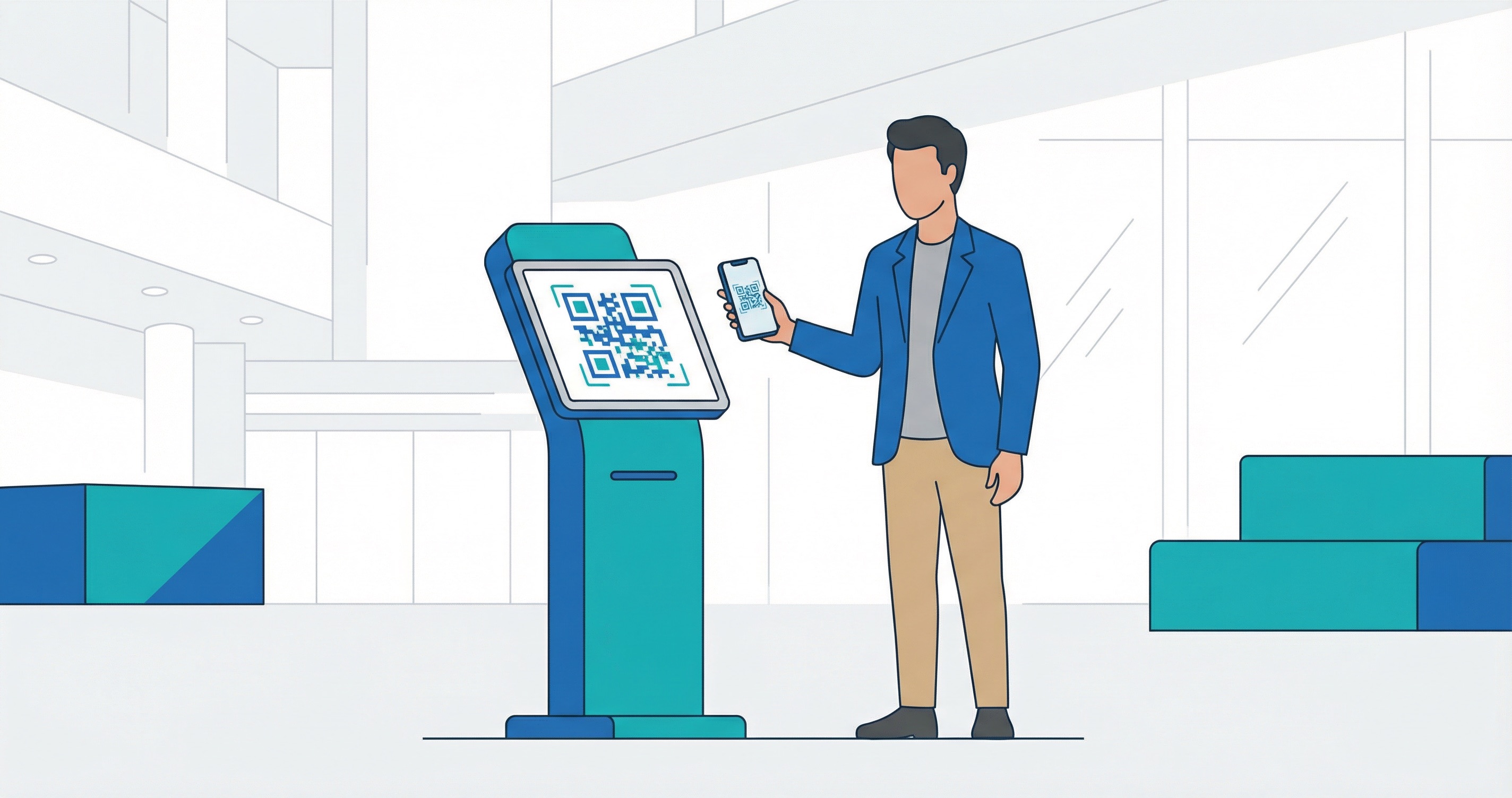

In 2026, QR codes are no longer optional at events — they are the infrastructure. According to Bitly's 2025 QR Code Survey, 43% of marketers now use QR codes specifically for events, making it the third most common deployment channel behind email and product packaging. From music festivals and corporate conferences to trade shows and weddings, QR codes handle the entire attendee journey: pre-event registration, on-the-day check-in, in-event engagement, and post-event follow-up. This guide covers every way event organizers and marketers can use QR codes in 2026, plus step-by-step instructions for creating and deploying them with Supercode's QR code generator.
QR code event check-in cuts entry times dramatically. Scanning a unique attendee QR code takes seconds compared to manual name-list checking, and systems with integrated badge printing can produce personalized badges in under 3 seconds per attendee — eliminating the bottleneck that plagues paper-based check-in. For large-scale events, deploying multiple QR check-in stations scales effortlessly without proportionally increasing staffing costs. The result is a smoother arrival experience that sets a positive tone before the event even begins.
Counterfeit tickets are a persistent problem for event organizers. According to a 2025 QR code ticketing guide by Loopyah, 76% of event attendees rate ticket security as moderately or very important when deciding whether to attend an event. Dynamic QR codes solve this by generating unique, time-sensitive identifiers that cannot be duplicated by screenshot or photocopy. Each code is validated server-side in real time, providing an instant access grant or denial. Attempted reuse is flagged immediately, protecting revenue and attendee trust.
Attendees now expect a frictionless arrival experience. QR codes stored on a smartphone or digital ticket mean no printed documents to manage, no pens to share, and no physical contact required at entry points. A smooth, technology-enabled check-in process not only reduces stress for attendees but also reflects well on the organizer's professionalism and brand. For hospitality events — galas, hotel conferences, private receptions — this elevated experience is a core expectation.
With dynamic QR codes tracked through Supercode's analytics dashboard, event organizers gain instant visibility into check-in patterns — total arrivals, peak entry windows, session attendance, device types scanning, and geographic distribution of attendees. This real-time data supports mid-event logistics decisions (staffing adjustments, room reallocation) and strengthens post-event reporting for sponsors and stakeholders. Understanding exactly when and how attendees engage helps you improve every subsequent event.
Event details change constantly: venues shift, schedules adjust, speakers cancel at short notice. Dynamic QR codes let you update the linked destination URL at any time without reprinting any physical materials. Print a QR code on your event poster linking to the schedule, then simply update the link when the line-up changes — attendees scanning the same printed code will always see the latest information. This flexibility is invaluable for multi-day festivals, conference series, and corporate events.
For conferences, trade shows, and professional events, QR codes are a powerful lead generation tool. Attendees can scan a vCard QR code on a presenter's or exhibitor's badge to save full contact details directly to their phone — no business cards required. Exhibitors can pair this with feedback QR codes to capture post-interaction survey responses and generate qualified leads from every booth visitor. For event sponsors, QR codes on branded stands and displays provide measurable engagement data that demonstrates ROI.
For festivals, conference series, or large exhibitions with thousands of unique attendees, generating individual QR codes manually is impractical. Supercode's bulk QR code generator lets you create every unique ticket code in a single batch from a CSV file — instantly ready for printing, digital distribution, or integration with your registration platform. Bulk generation eliminates per-ticket design time and ensures consistent quality across every unique code in your event.
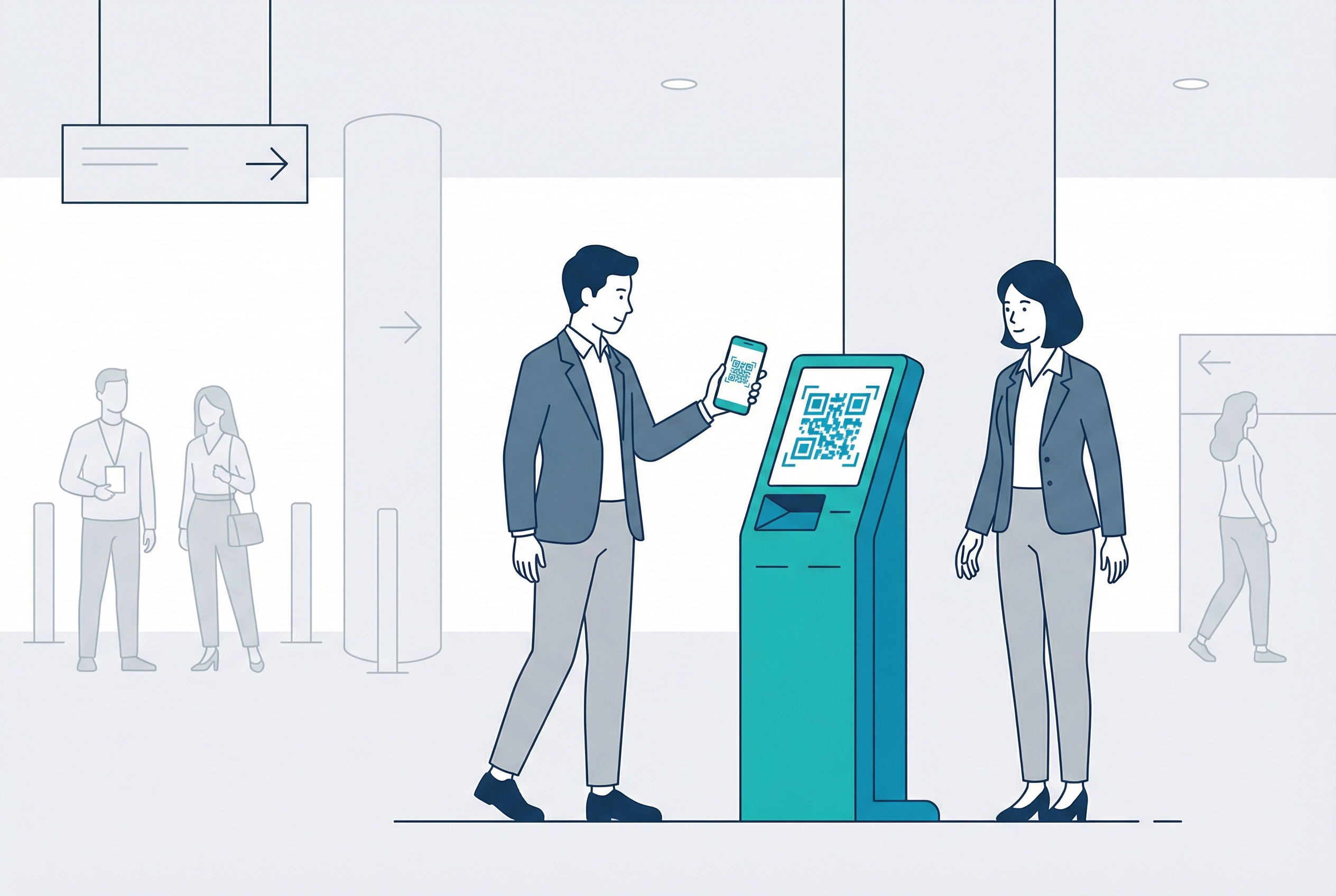
QR codes on event posters, digital invitations, brochures, and social media posts link directly to your registration form. A social media QR code on physical signage allows passersby to follow your event's social accounts with a single scan. For free community events, campus signups, or pop-up announcements, a well-placed QR code on a bulletin board or street advertisement drives passive registrations for weeks — no staff involvement required.
Generate a unique QR code for every registered attendee using Supercode's bulk generation tool. Deliver each code via email confirmation or print it on a physical ticket. At the venue, staff scan attendee codes using a mobile device or dedicated scanner, instantly verifying authenticity and marking the attendee as checked in within a central dashboard. For multi-entry events like festivals, unique codes can be configured for single-use or multi-use across different days and stages.
At larger conferences, QR codes extend beyond front-door entry. Placing session-specific QR codes at breakout room entrances allows attendees to check into individual sessions, providing real-time data on room occupancy and session popularity. This intelligence helps organizers adjust room allocations on the fly, plan catering more accurately, and make data-driven programming decisions for future events. It also provides CPD (Continuing Professional Development) verification records for professional association conferences.
Trade show exhibitors use URL QR codes on booth displays to link visitors to product demos, pricing sheets, case studies, and company websites — eliminating the need for printed literature stacks. Exhibitors pair QR codes with vCard codes on representative badges so visitors can scan and save contact details instantly. A real-world example: at the Fit Bloggin' Conference, Eggland's Best used multiple QR codes across their trade show booth to display nutritional information, link to their Facebook page, and offer newsletter sign-ups — capturing leads from every angle of visitor interest.
Wedding QR codes are one of the most creative event applications. Place a QR code on guest table cards linking to a shared photo album where guests upload high-resolution images without creating an account — giving the couple a complete gallery of candid moments. QR codes on invitations link to venue maps, RSVP forms, gift registry pages, or the evening's schedule. Post-event, a feedback QR code in the thank-you card collects guest testimonials that vendors (caterers, florists, photographers) can use as marketing material.
Post-event feedback is critical for improving future events — but traditional survey methods return poor results. QR-triggered feedback forms achieve 40–60% response rates compared to 15–25% for email-only surveys, according to industry data. Place a feedback QR code at exit points, on lanyards, in post-event emails, or on venue displays. Dynamic codes allow you to update the survey questions between event days without reprinting materials, making multi-day festivals and conference series particularly easy to iterate on in real time. For a deeper dive into maximizing response rates, see our guide on QR code customer feedback strategies.
QR codes on merchandise stands at concerts, festivals, and fashion shows link attendees directly to your mobile commerce store. Attendees browse sizes and styles, complete purchases on their own device, and collect items — eliminating cash handling and reducing physical queue pressure at merchandise tables. Fashion show programs with QR codes linking to runway looks' sizing and pricing information have become standard practice at major events. Pair with an SMS QR code to send order confirmation and collection instructions directly to the customer's phone.

The data confirms that QR codes are now deeply embedded in professional event management. Here are the key figures shaping event QR code strategy in 2026:
These figures reflect a clear trend: QR codes have moved from a convenience feature to an expected standard in event management. Organizers who have not yet integrated QR-based workflows are already operating below the industry norm.
Different event needs call for different QR code types. Here are the recommended options for event management on Supercode:
Log into Supercode, select your QR code type, and enter your event URL or content. Then use Supercode's design tools to match the code to your event brand: adjust the foreground and background colors, add your event logo, choose custom corner shapes, and add a call-to-action frame ("Scan to Register", "Scan for Your Ticket"). A branded QR code that matches your event's visual identity improves scan rates and looks professional on all printed materials. See our QR code design guide for best practices on color contrast and logo sizing.
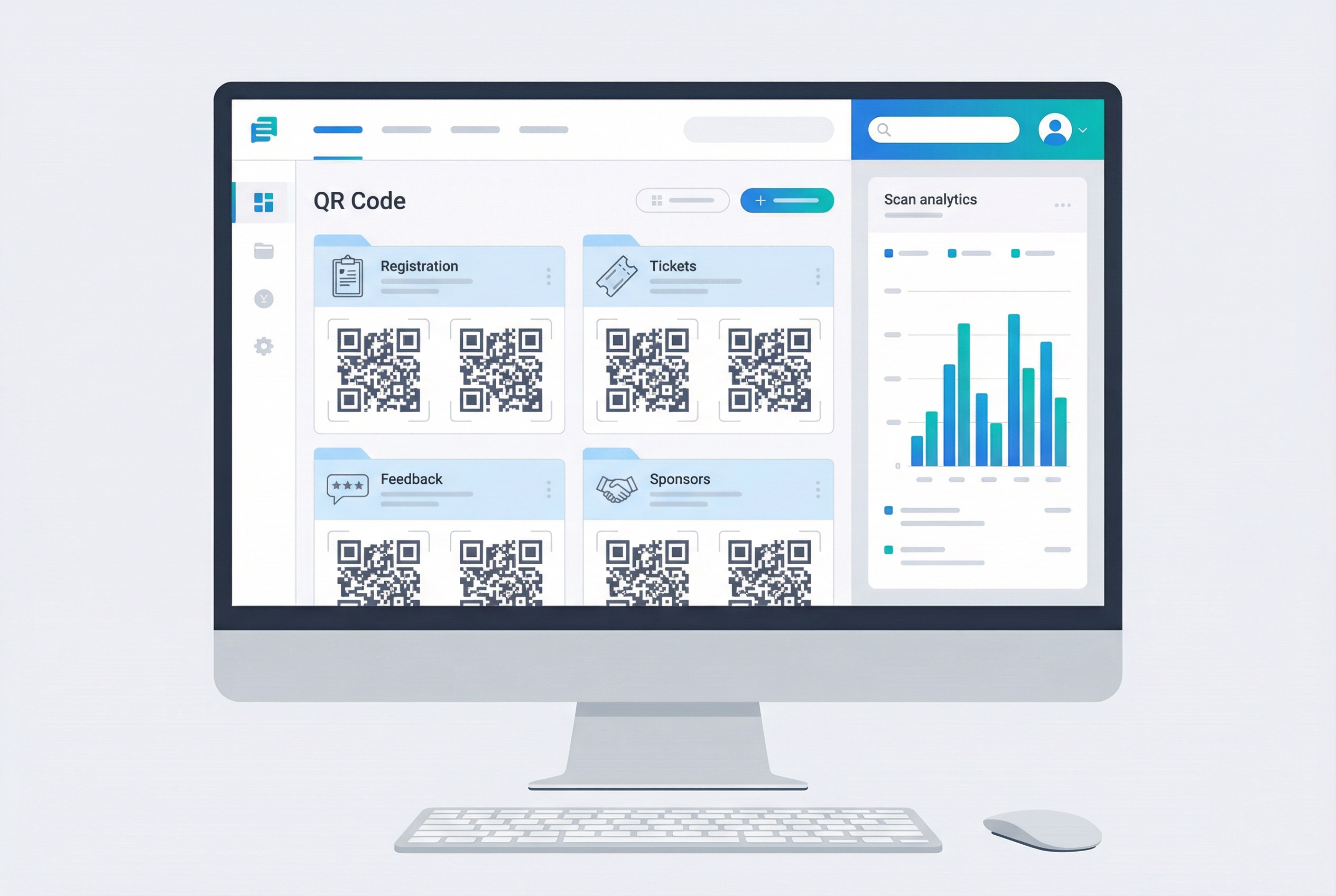
Use Supercode's folders feature to organize all QR codes for a single event in one workspace — tickets, sponsor booth codes, session check-in codes, feedback codes, and social media codes can all be grouped and shared with your team. For multi-event organizers managing a conference series or a recurring festival, separate folders per event keep campaigns cleanly separated.
Before committing to a print run, test every code on multiple device types and in varying lighting conditions. For dynamic codes, verify that the destination URL resolves correctly, then confirm you can update it without reprinting. See the complete QR code printing guide for minimum size requirements (2cm x 2cm), DPI specifications for large-format print, and quiet zone (white border) best practices for reliable scanning in busy event environments.
Deploy your QR codes across every relevant event touchpoint: posters for pre-event promotion, brochures and flyers distributed at the door, digital displays inside the venue, name badges and lanyards for session check-in, merchandise packaging, and outdoor advertising for major public events. For detailed placement advice, see the QR codes on posters guide.
Monitor scan volumes, unique visitors, device types, and geographic data in real time during the event. Supercode's analytics dashboard lets you identify peak engagement windows, compare the performance of different placement strategies, and generate post-event reports. Use this data to optimize QR code placement, improve future event design, and provide measurable ROI data to sponsors and partners. For advanced campaign optimization, connect dynamic QR code data to Google Analytics 4 using UTM parameters.
Since event details change frequently, always use dynamic QR codes for any printed materials — posters, brochures, and signage. Dynamic codes allow you to update the destination URL if a registration page moves, a schedule changes, or a sponsor page updates — without reprinting a single item. Reserve static codes only for fixed information such as venue Wi-Fi credentials or permanent event FAQ pages. Check our QR code marketing guide for a broader framework on dynamic vs. static decision-making across campaigns.
Never reuse the same QR code across multiple tickets. Use Supercode's bulk QR code generator to produce a unique code per attendee from your registration CSV. Each unique code is linked to one attendee record, prevents duplication fraud, and enables individual attendance tracking. This is the minimum security standard for any ticketed event — from intimate theatre performances to stadium concerts.
A QR code without context is ignored. Add a visible call-to-action label near every code: "Scan to Register", "Scan for Your Ticket", "Scan to Share Your Photos", "Scan for the Venue Map." Use Supercode's frame feature to embed the call-to-action directly into the QR code design itself, so the instruction is inseparable from the code on every printed and digital surface.
A styled QR code that matches your event's colors and incorporates its logo improves scan rates by making the code feel trustworthy and intentional — not an afterthought. Maintain a minimum color contrast ratio of 4.5:1 between the dark and light elements for reliable scanning. For high-end events, branded QR codes on merchandise, badges, and premium print materials reinforce brand identity throughout the entire attendee experience. For retail and fashion events, a beautifully designed QR code on packaging or programs adds to the luxury feel.
Strategic placement maximizes scan rates. Pre-event: post QR codes on venue posters, event flyers, and street advertising. At the event: place check-in codes at entry points, sponsor codes on exhibitor stands, session codes at room doors, and engagement codes on interior displays throughout the venue. Post-event: include feedback codes in thank-you emails, on follow-up mailers, and on any printed materials distributed to attendees at exit. Every touchpoint is an opportunity to drive engagement, data collection, and repeat attendance.
An event QR code is a scannable code used to manage any part of the event experience — from pre-event registration and ticket distribution to on-the-day check-in, session tracking, attendee networking, sponsor engagement, and post-event feedback collection. Each code stores a URL, contact card, text, or other data that a smartphone camera can read in seconds without requiring a dedicated app.
Create a unique QR code for each registered attendee using Supercode's bulk QR code generator from your registration CSV. Deliver each code via email confirmation or print it on a physical ticket. At the event entrance, staff scan each attendee's code using a smartphone or tablet. The system validates the code in real time, marks the attendee as checked in, and flags any duplicate scan attempts instantly. For large events, deploy multiple check-in stations with the same shared dashboard for synchronized real-time tracking across all entry points.
Yes — dynamic QR codes are among the most effective tools available for preventing event ticket fraud. Each attendee receives a unique, server-validated code that cannot be duplicated from a screenshot or photocopy. The code is validated in real time on each scan and can be configured for single-use, so any attempt to present a copied ticket is rejected immediately. This replaces the vulnerability of static barcodes and PDF tickets, which are trivially easy to share digitally. For the best security, always use dynamic QR codes generated uniquely per registration rather than a single shared entry code.
The best QR code type depends on the specific event use case: bulk QR codes for unique attendee ticketing; URL QR codes for registration, schedules, and event information; feedback QR codes for post-event surveys; vCard QR codes for networking and exhibitor contact sharing; social media QR codes for audience growth at branded events; and SMS QR codes for RSVP and order confirmations. Most professional events use a combination of several types across different touchpoints.
Create your event QR codes as early as possible — ideally at the start of the promotional campaign. Since dynamic QR codes allow you to update the destination URL at any time after printing, you can print marketing materials with QR codes before the registration page or schedule is finalized. Simply update the destination link once the content is ready. For ticket codes, generate unique attendee codes at the point of registration confirmation so each attendee receives their code immediately and the organizer has a full ticketing audit trail from the moment of purchase.
Supercode's analytics dashboard provides real-time data on total scans, unique scans, scan time patterns, device types, and geographic distribution for every dynamic QR code in your account. Set up separate tracking codes for different placements (poster vs. brochure vs. email) using unique codes or UTM parameters to compare channel performance. Post-event, export the analytics data to generate sponsor ROI reports or to share attendance verification with CPD bodies and professional associations. For a deeper analytics framework, see our guide on QR codes for lead generation.
Whether you're organizing an intimate private celebration or a large-scale professional conference, QR codes are the most versatile tool available for streamlining registration, securing ticketing, engaging attendees, and measuring event ROI. Supercode makes it easy to create beautiful, branded, trackable QR codes for every event touchpoint — from pre-event promotion on posters and brochures to on-the-day check-in and post-event feedback collection. Explore our full range of industry use cases, review Supercode's pricing plans, or get started free today.
Head to our FAQs section or reach out to us directly on info@supercode.com
Sign up for free

