
Customer feedback drives every meaningful business improvement — yet most companies collect far less of it than they need. Traditional survey methods create friction at every step: customers must remember a URL, navigate to a desktop site, or spend several minutes completing a lengthy form. Most simply do not bother. According to Forrester Research, survey response rates across traditional channels have been declining for years, with email averaging just 15-25% and paper forms barely reaching 10-20%.
QR codes remove that friction entirely. A customer scans the code, answers three or four targeted questions, and submits — all within 15 to 30 seconds, from their own smartphone. Businesses that make this switch see response rates jump to 40-60%, a transformation that provides the volume and quality of insight needed to meaningfully improve products, services, and customer experience. According to Bitly's 2025 QR Code Statistics Report, 73% of businesses now actively use QR code feedback programs, and 78% of consumers say they are willing to share feedback when the process is quick and effortless.
This guide walks through seven proven strategies for collecting customer feedback with QR codes — from building your first form to tracking analytics and scaling across industries. Each strategy is practical and backed by data, and all of them are available through Supercode's Feedback QR Codes.
Companies that actively collect and act on customer feedback consistently outperform those that do not. The data is compelling:
The challenge has never been a lack of desire for feedback — it has been a lack of a frictionless way to collect it. Traditional methods all share the same flaw: they ask customers to take action long after the experience has faded, through channels that compete with dozens of other demands on their attention.
QR codes solve this by meeting customers exactly when and where the experience happens. A scan at the table, at the checkout counter, or on the product packaging captures feedback while the moment is still fresh — giving businesses both higher volume and higher-quality insights. Understanding how QR codes improve the customer experience broadly helps explain why they are equally powerful for feedback collection specifically.
Every traditional feedback channel suffers from the same root problem: friction between intent and action.
QR code feedback bypasses all of these barriers. Scan, answer, submit. No account. No typing a URL. No follow-up required.

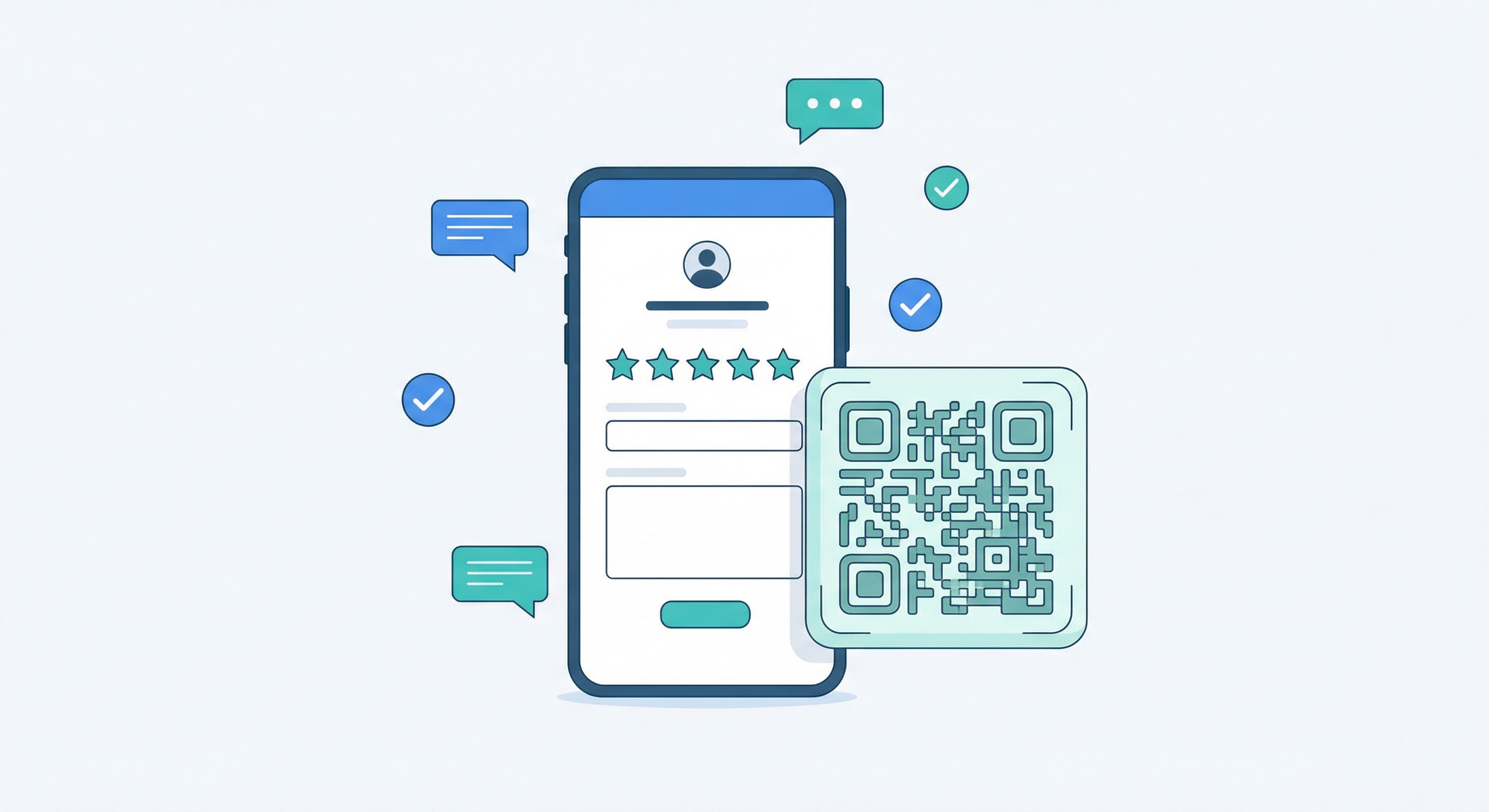
The foundation of any QR code feedback program is a well-designed form. Supercode's Feedback QR Code builder lets you create a customised survey in minutes — no coding or third-party survey tools required. The form appears instantly on any smartphone that scans your code.
The most effective feedback forms combine one or two quantitative questions with one open-ended question:
According to SurveySparrow's 2025 Benchmark Study, surveys with 1-3 questions achieve 83% completion rates, while those exceeding five minutes see dropout rates triple. The optimal QR code feedback form includes 3-5 questions completable in under 60 seconds. The ideal structure: one NPS or CSAT question, one open-ended question, and an optional contact field.
Supercode's form builder also supports conditional logic — follow-up questions only appear when relevant, keeping the experience fast for most customers while capturing deeper insight from those who want to provide it. You can also use categories pre-written by Supercode or fully customise to match your specific business context.
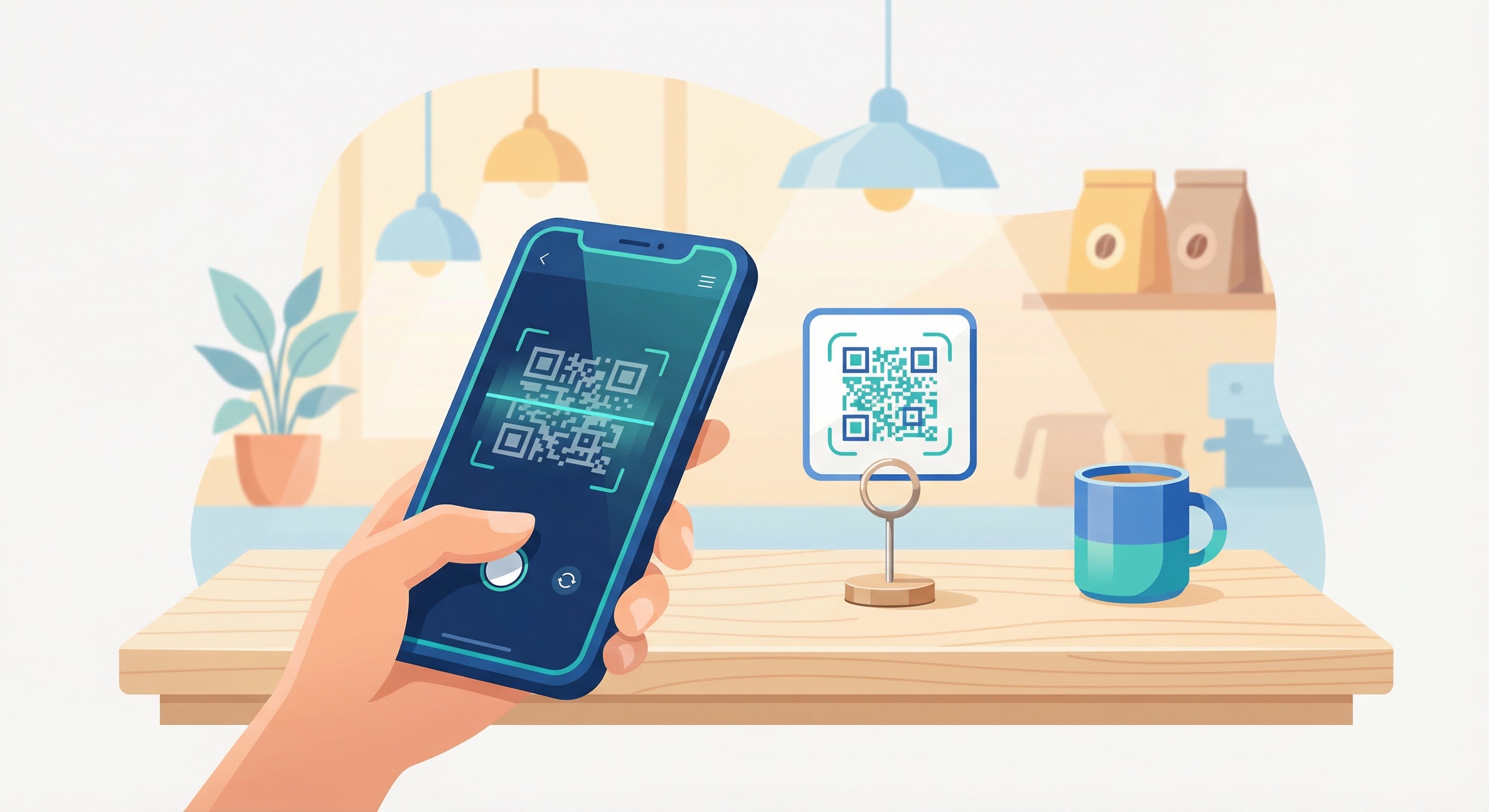
A generic black-and-white QR code goes unnoticed. A branded, well-designed code with a clear call-to-action gets scanned. Design directly drives scan rates — and higher scan rates mean more feedback, regardless of how good your form is.
Supercode's QR code design tools let you customise every element — logo placement, frame style, colour scheme, and pattern shapes — directly in the browser. Read our full product overview to see the complete design feature set.
Create your feedback QR code as a dynamic QR code. Dynamic codes allow you to update the linked form, change questions, or redirect to a new URL at any time — without printing a new code. This is essential for testing different question sets and keeping feedback programs current as your business evolves. Static codes are fixed; once printed, they can never be updated.
A broken or slow-loading feedback form destroys the customer experience and your data quality in one moment. Before placing your QR code anywhere customer-facing, run a complete device and environment test. This takes 15 minutes and can save weeks of wasted data collection.
Because Supercode uses dynamic QR codes, any issues found during testing can be fixed immediately in your dashboard — update the form, adjust the link, or redesign the code — without reprinting or replacing any printed materials.
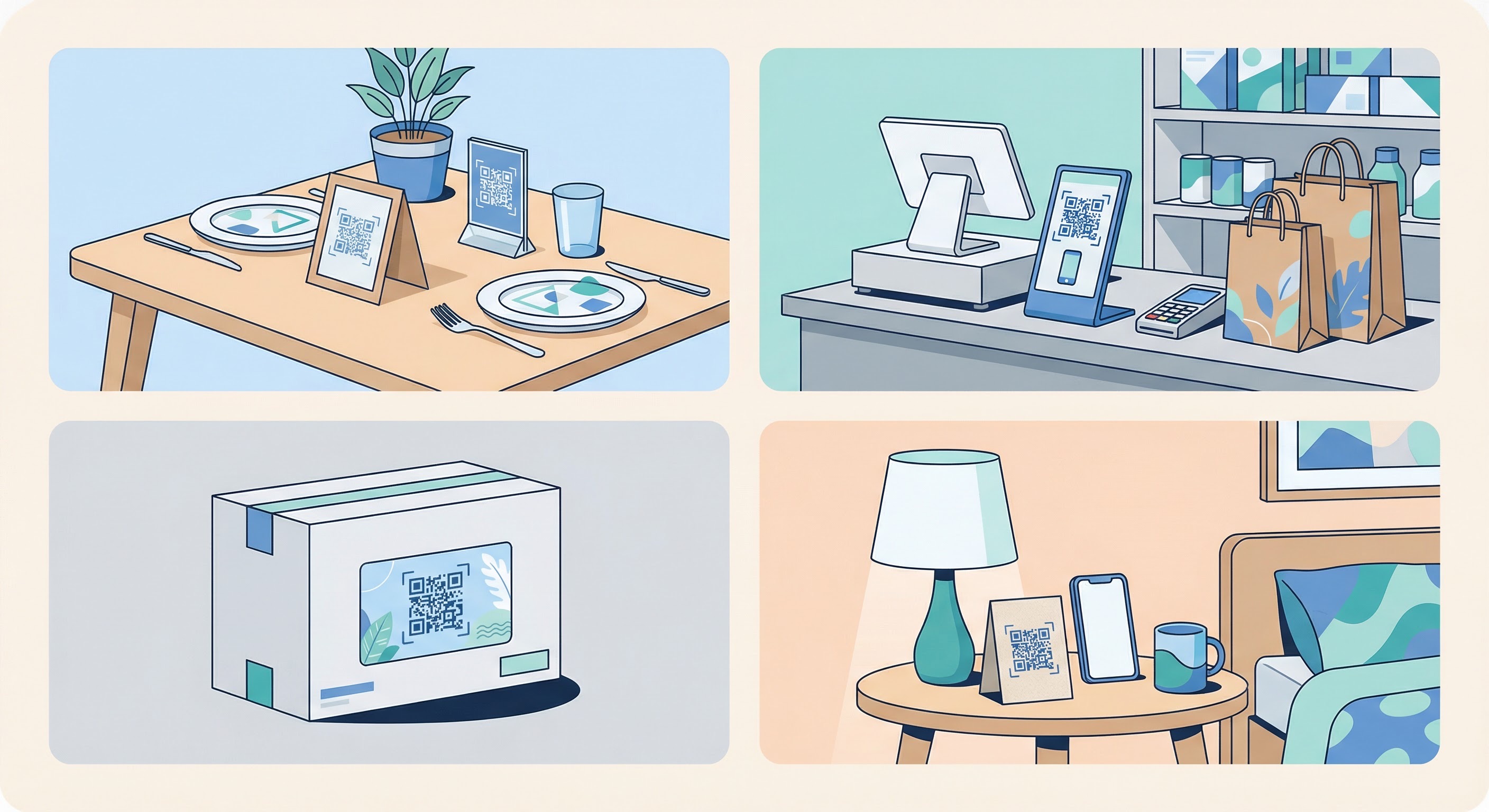
Placement is one of the highest-leverage decisions in any feedback program. The same QR code placed at different points in the customer journey can yield dramatically different response rates. Codes placed on tables have 3× higher scan rates than those placed at entrances, simply because customers have more time, attention, and connection to the experience when seated.
Define what you want to learn before deciding where to place codes. For in-the-moment experience feedback, place codes where customers are actively engaged — table, fitting room, treatment room. For overall impression feedback, exit placement or receipt codes work best. For product-specific feedback, place codes on the product or in the unboxing experience. Each placement type captures a different slice of the customer journey, and combining them gives you a comprehensive picture.
The single most effective lever for increasing response rates is a compelling, well-timed incentive. Research in behavioural psychology consistently shows that immediate rewards outperform delayed rewards: a customer is far more likely to complete a 30-second survey for an instant 10% discount than for entry into a monthly prize draw they will probably forget about.
Do not hide the incentive until after the scan. Supercode lets you add the reward directly to the QR code frame or surrounding design. A code that reads "Scan to give feedback — get 15% off your next order" removes all ambiguity and dramatically increases initial scan rates compared to a generic code with no visible value proposition.
Gamification adds another dimension: tiered rewards (more feedback = bigger rewards), loyalty point multipliers for survey completion, or spin-to-win mechanics give customers a reason to engage beyond a simple transaction. These approaches work particularly well for repeat customers and loyalty program members, where the accumulated value of ongoing participation is visible.
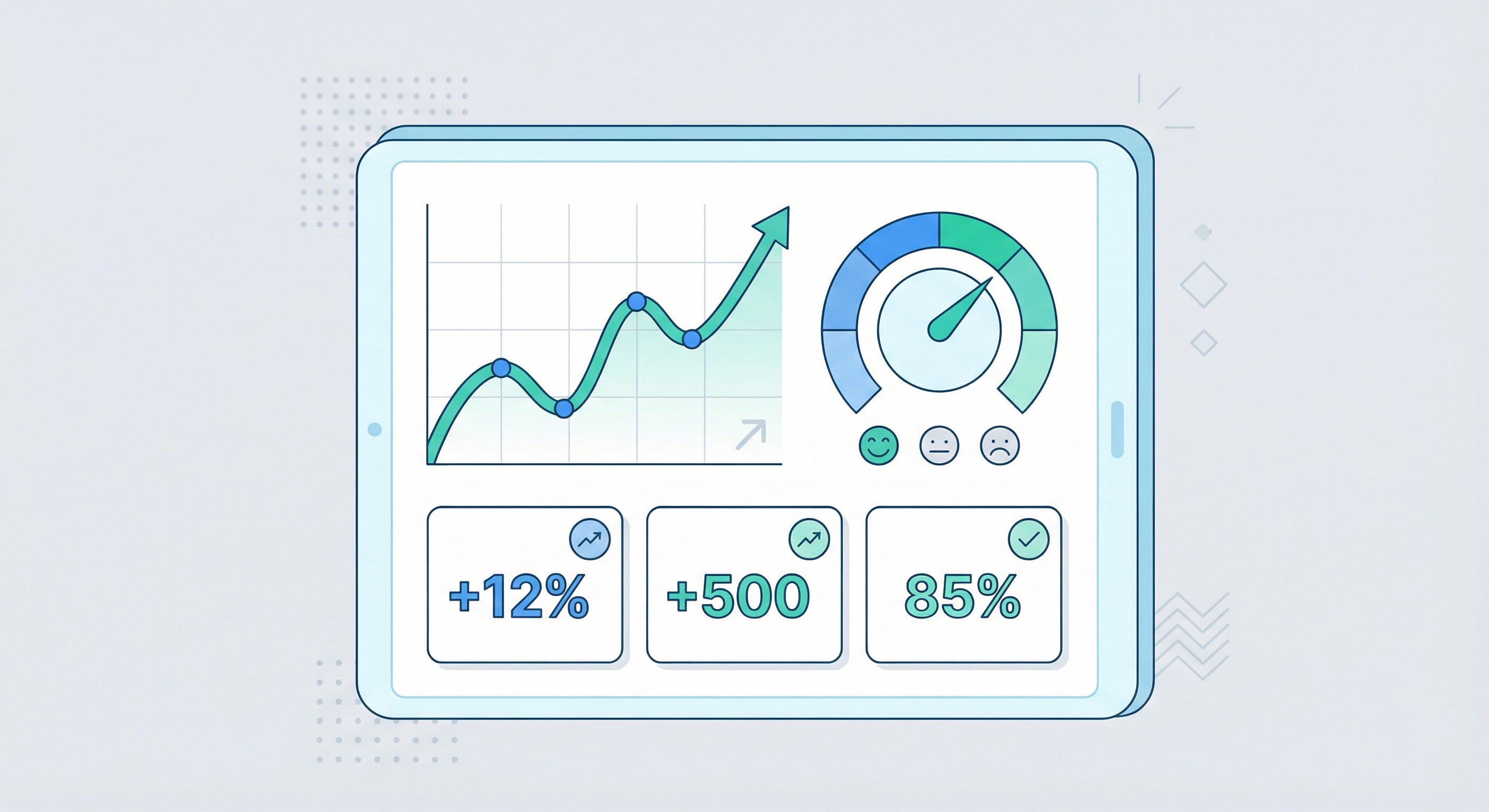
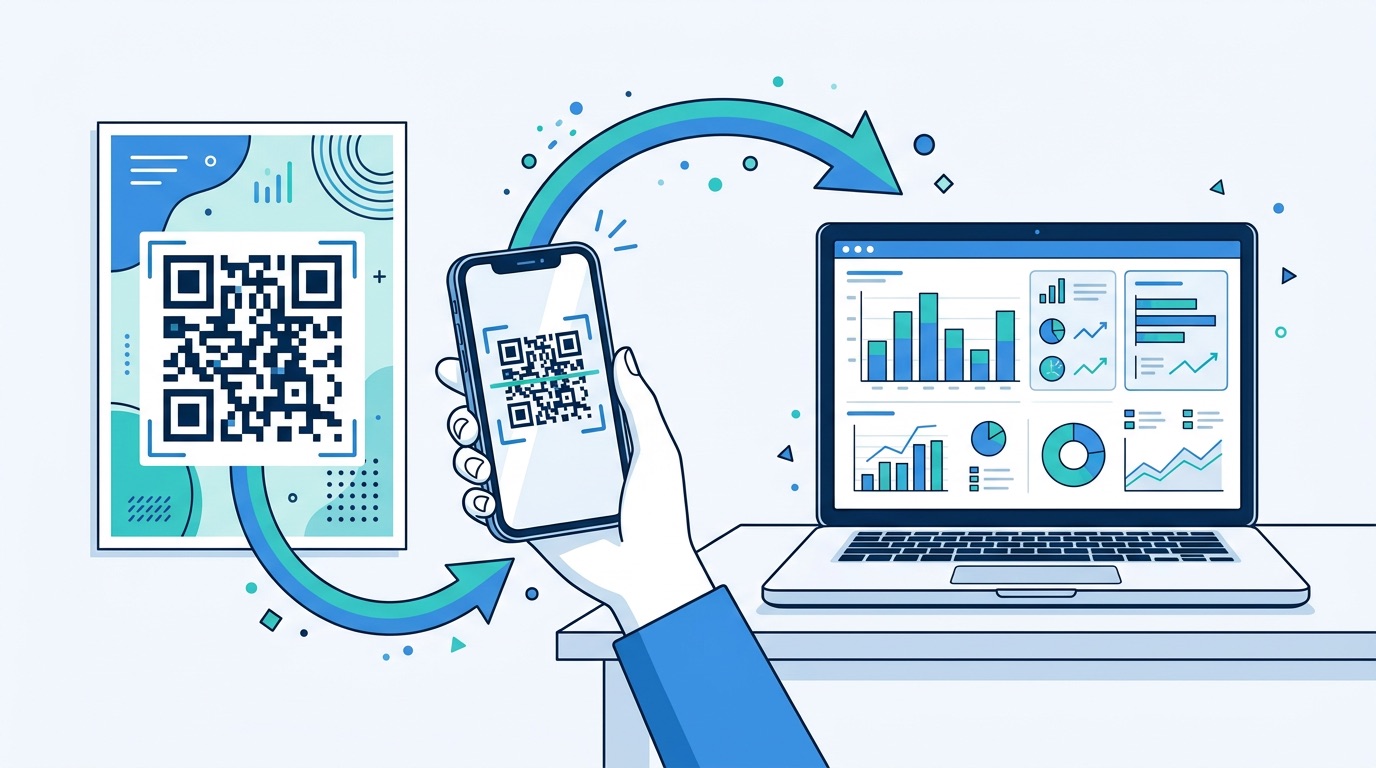
Collecting feedback is only valuable if you act on it. Supercode's analytics dashboard turns raw feedback into structured, actionable intelligence. This connects directly to the QR code tracking and analytics capabilities available across all campaign types — the same data infrastructure used for marketing, retail, and event campaigns also powers your feedback intelligence.
Data without action is just noise. Build a structured feedback loop into your weekly operations:
The optional contact information collected through Supercode's feedback form also enables individual follow-up — reaching out personally to dissatisfied customers to resolve issues before they become public complaints. This private resolution approach connects directly to how QR codes support sales growth through improved customer retention and reduced churn.
Your first feedback form is not your final one. The most effective QR code feedback programs treat question design as an ongoing process, not a one-time configuration. Dynamic QR codes make this easy — update the linked form, add new questions, or change the landing page at any time without reprinting or replacing a single printed code.
Set a recurring monthly calendar reminder to review your feedback form. Ask: are these questions still the most useful ones to ask right now? Would a different question reveal more actionable insight this month? This habit transforms QR code feedback collection from a passive data gather into a genuine operational improvement engine that keeps pace with your business as it evolves.
While the seven strategies above apply universally, the specifics of deployment vary by industry. Here is how leading businesses in each vertical put QR code feedback programs to work — and the internal pages where you can explore deeper use-case guidance.
Restaurants see some of the highest QR code feedback response rates of any industry — 35-45% — because customers are stationary, relaxed, and emotionally engaged with the experience. Table tents deliver the strongest return: a laminated stand on every table captures feedback from every diner with zero friction. Focus questions on food quality, service speed, and likelihood to recommend. Incentivise with a complimentary item on the next visit to drive both data and return footfall simultaneously.
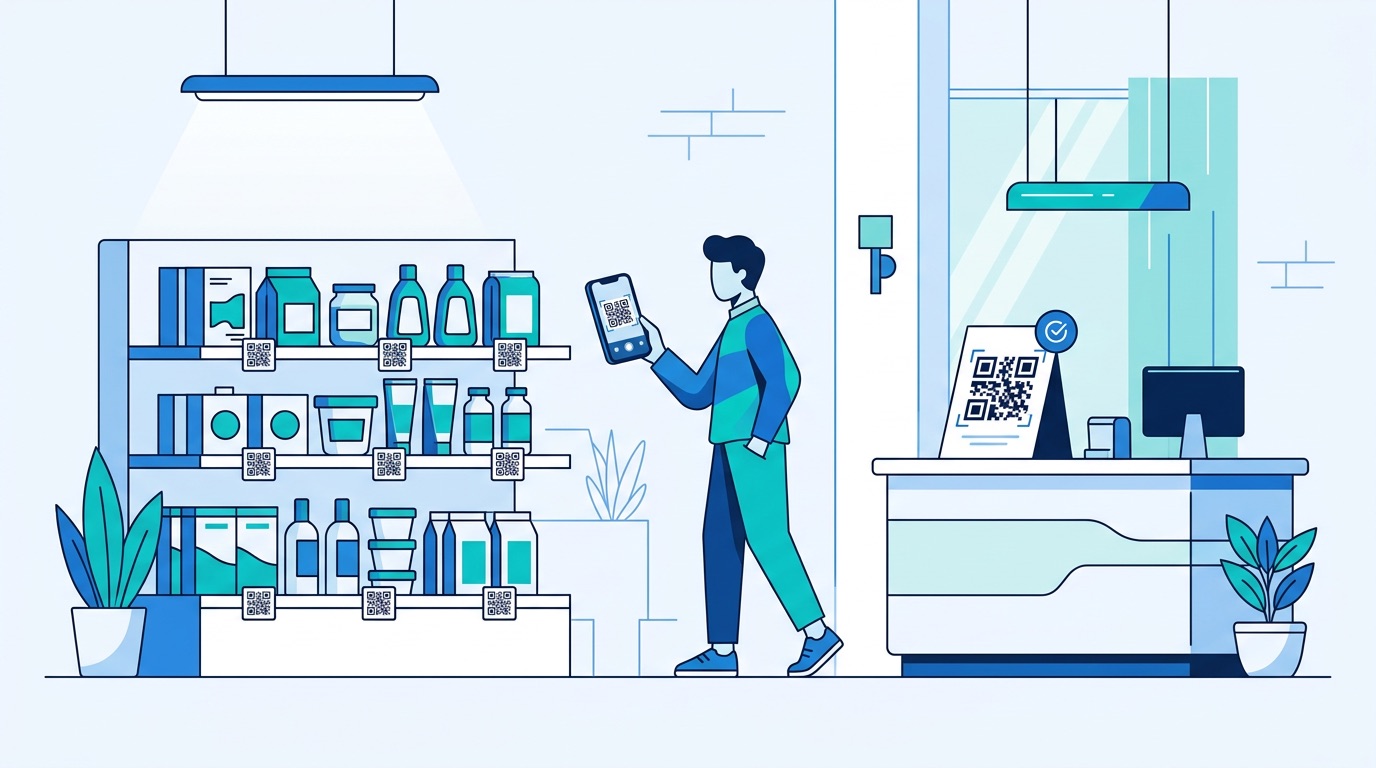
Retail environments benefit from feedback collection at multiple touchpoints: checkout counters for overall satisfaction, fitting rooms for product and service experience, and exit doors for departure impressions. Target 30-40% response rates with clear incentives tied to the next purchase. Use accumulated feedback data to identify product quality issues early — reducing return rates and informing smarter stock decisions before problems scale.
Healthcare settings have unique feedback requirements: privacy, sensitivity, and regulatory compliance all matter. Place QR codes in waiting areas and on post-appointment communications rather than in treatment rooms. Focus on wait times, staff courtesy, and facility cleanliness. Always offer anonymous feedback to encourage candid responses. Healthcare providers using structured QR code feedback programs typically improve patient satisfaction scores by 20-30%, which translates directly to better online ratings and increased referral volume.
Hotel feedback programs perform best when deployed at multiple stay moments: room signage captures in-stay experience; checkout receipts capture departure impressions; a follow-up email 48 hours after checkout captures considered post-stay reflection. Focus questions on room cleanliness, staff responsiveness, and amenity quality. Incentivise with loyalty points or a room upgrade consideration on the next booking — high perceived value at minimal cost.
Event organisers use QR codes at registration desks, session exits, and in the closing email. A single end-of-event QR code captures holistic feedback while the experience is still fresh. Focus questions on session quality, venue satisfaction, and likelihood to attend the next event. Feed the data directly into speaker selection, scheduling decisions, and venue planning for the following year — turning attendee opinion into concrete programme improvements.
The business case for investing in a QR code feedback programme is compelling when you calculate what improved feedback data actually delivers downstream.
According to Opiniator's QR code survey research, businesses switching from traditional methods to QR code feedback typically reduce cost-per-response by 60-80% while simultaneously tripling or quadrupling their response volume — more data, at lower cost, collected faster.
The real return on investment comes from acting on what you collect. Companies with structured feedback programmes consistently see:
These improvements translate directly to revenue growth. For a detailed breakdown of how customer insight drives measurable sales results, see our guides on how QR codes increase sales and how QR codes improve customer experience. Explore Supercode's full feature set and compare pricing — every feature on every plan, choose the scan volume for your feedback programme.
A QR code feedback form is a customer survey linked to a QR code that opens instantly when scanned with a smartphone camera. No URL typing, no app download, and no account creation required. Customers scan, answer 3-5 questions, and submit in 15-30 seconds — and the responses appear immediately in the business's analytics dashboard. It is the fastest, lowest-friction feedback collection method available for in-person and hybrid businesses.
Keep feedback forms to 3-5 questions maximum, completable in under 60 seconds. Research shows that surveys with 1-3 questions achieve 83% completion rates, while those exceeding five minutes see dropout rates triple. The recommended structure is one NPS or CSAT rating question, one targeted open-ended question, and an optional contact information field. Use conditional logic to show follow-up questions only when relevant.
Static QR codes link to fixed content that cannot be changed after printing. Dynamic QR codes link to content that you can edit at any time — updating questions, changing the landing page, or redirecting to a new survey — without printing a replacement code. Dynamic codes are essential for feedback programmes because they allow continuous iteration and optimisation. Supercode's feedback QR codes are dynamic by default.
Three factors drive scan rates more than any others: placement, design, and incentive. Place codes where customers are engaged and stationary (table tents, checkout counters, waiting areas). Design them with your brand colours and a visible call-to-action ("Scan to share feedback — get 15% off"). Offer an immediate reward rather than a delayed prize draw. Each factor individually improves scan rates — applying all three together typically delivers the highest sustained response volumes.
Yes. Supercode allows customers to submit feedback without providing any personal information. Anonymous feedback is particularly valuable in sensitive contexts — healthcare settings, post-complaint resolution, and situations where customers may self-censor if identified. Many businesses find anonymous response rates are 15-25% higher than identified ones, making anonymity a worthwhile default option even for businesses that would prefer contact details.
Track three categories of metrics in parallel. Response metrics: total responses, response rate, and form completion rate. Satisfaction metrics: NPS trend, CSAT score, and positive-to-negative sentiment ratio. Business impact metrics: customer retention rate, return/refund rate, and average online review score. Compare all three sets of metrics before and after implementing your programme. Most businesses see measurable improvements in satisfaction scores within 30-60 days, and measurable retention improvements within 90-180 days.
Customer feedback is only as valuable as your ability to collect it consistently and at scale. Traditional survey methods create friction that drives response rates down to single digits — leaving businesses making critical decisions on insufficient data. QR codes solve this by meeting customers in the moment, on the device they already have in their hands, with a process that takes under 30 seconds to complete.
The seven strategies in this guide — form design, visual customisation, thorough testing, strategic placement, smart incentives, analytics-driven action, and continuous iteration — work together as a compounding system. Each one strengthens the others. Start with any one of them and you will see results; implement all seven and you will build a feedback programme that genuinely drives business improvement.
Ready to build your first QR code feedback programme? Sign up for Supercode for free and create a branded feedback QR code in minutes — no design skills or technical setup required.