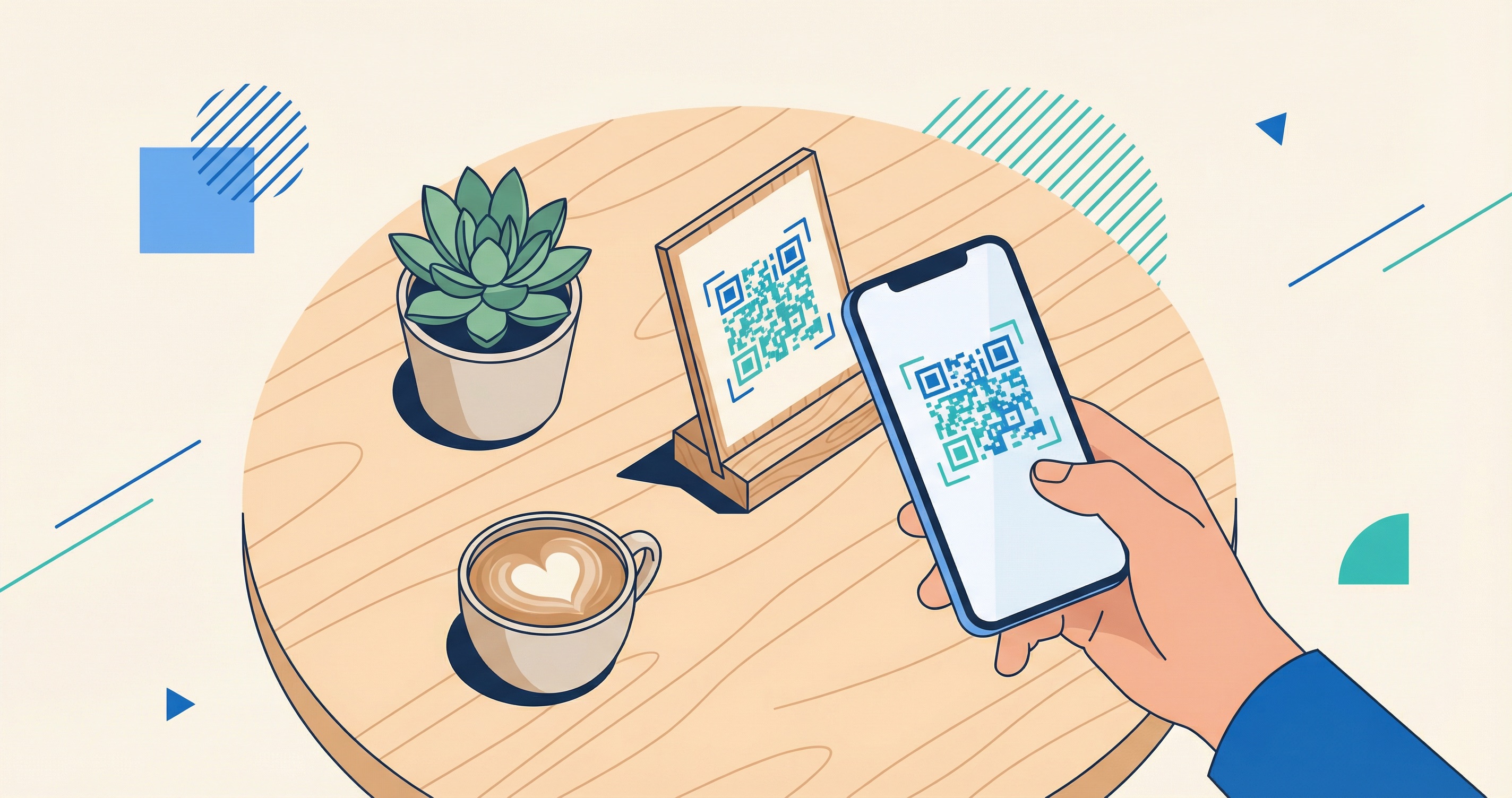

More than 75% of restaurants worldwide now use QR codes for digital menus, and the trend is accelerating fast. With 2.2 billion people globally scanning QR codes in 2026 and nearly 100 million Americans expected to scan monthly, restaurants that have not yet integrated QR codes into their operations are leaving real revenue on the table. From contactless menus and frictionless payments to loyalty programs and real-time feedback collection, QR codes for restaurants deliver measurable improvements across the entire dining experience. This guide covers every practical application, the data behind adoption, and a step-by-step process for launching your first restaurant QR code campaign with Supercode.
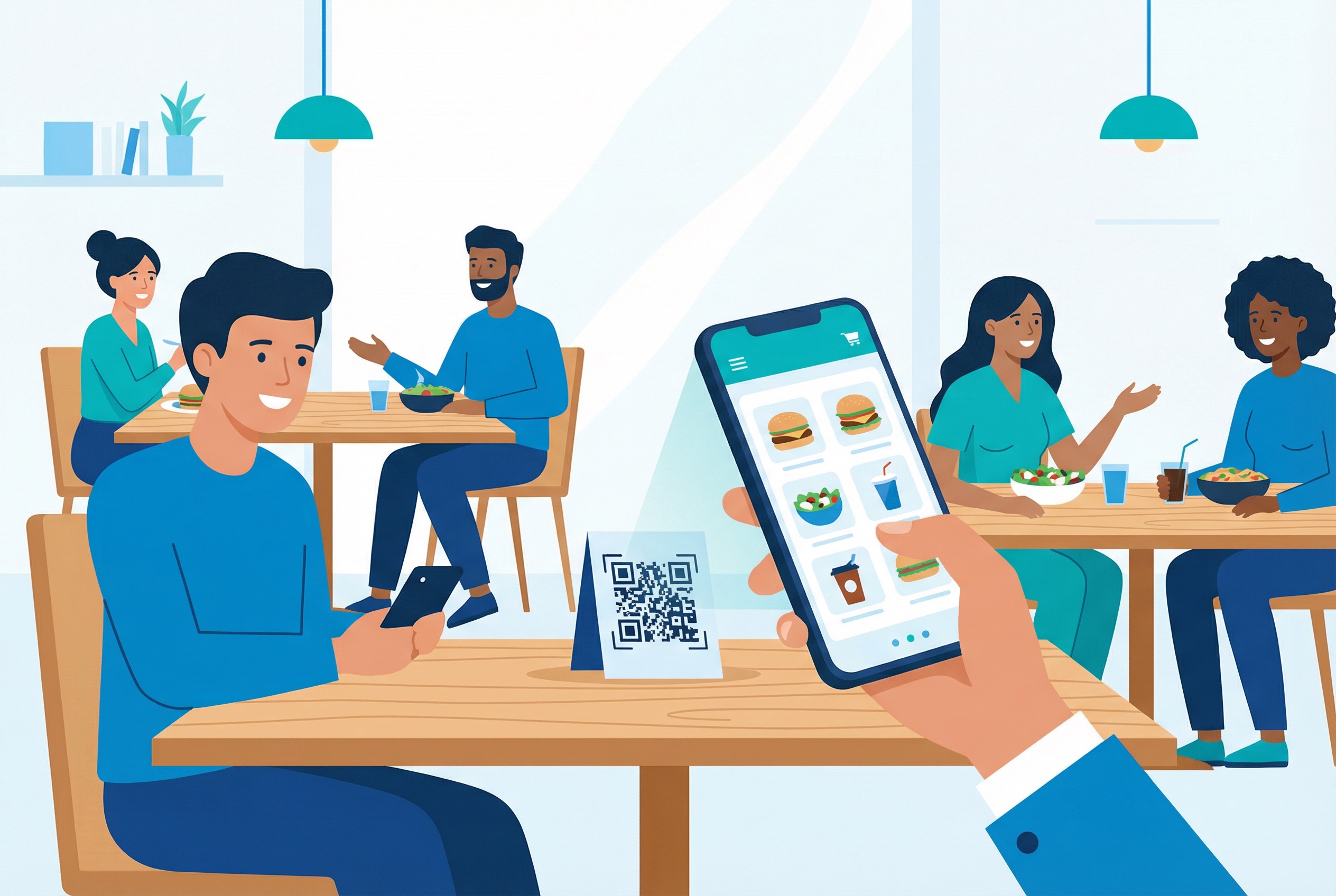
Paper menus need to be reprinted every time a price changes, an item sells out, or you run a seasonal special — costing time and money. Dynamic QR codes can be updated in seconds from your dashboard without ever reprinting the code. Change daily specials, swap out dishes, adjust pricing, or launch a limited-time promotion instantly. The QR code itself stays the same on your table; only the destination changes. This makes QR code menus the most sustainable and cost-efficient menu format available in 2026.
Your dining room is one of your most powerful social media acquisition channels — if you use it correctly. Place a Social Media QR Code on table stands or receipts linking guests directly to your Instagram, Facebook, or TikTok profile. Pair it with an incentive (a free dessert, entry into a giveaway) to drive scans. Restaurants that tie QR-based social campaigns to check-in behaviour see sustained follower growth with zero additional ad spend. Explore more strategies in our QR code social media marketing guide.
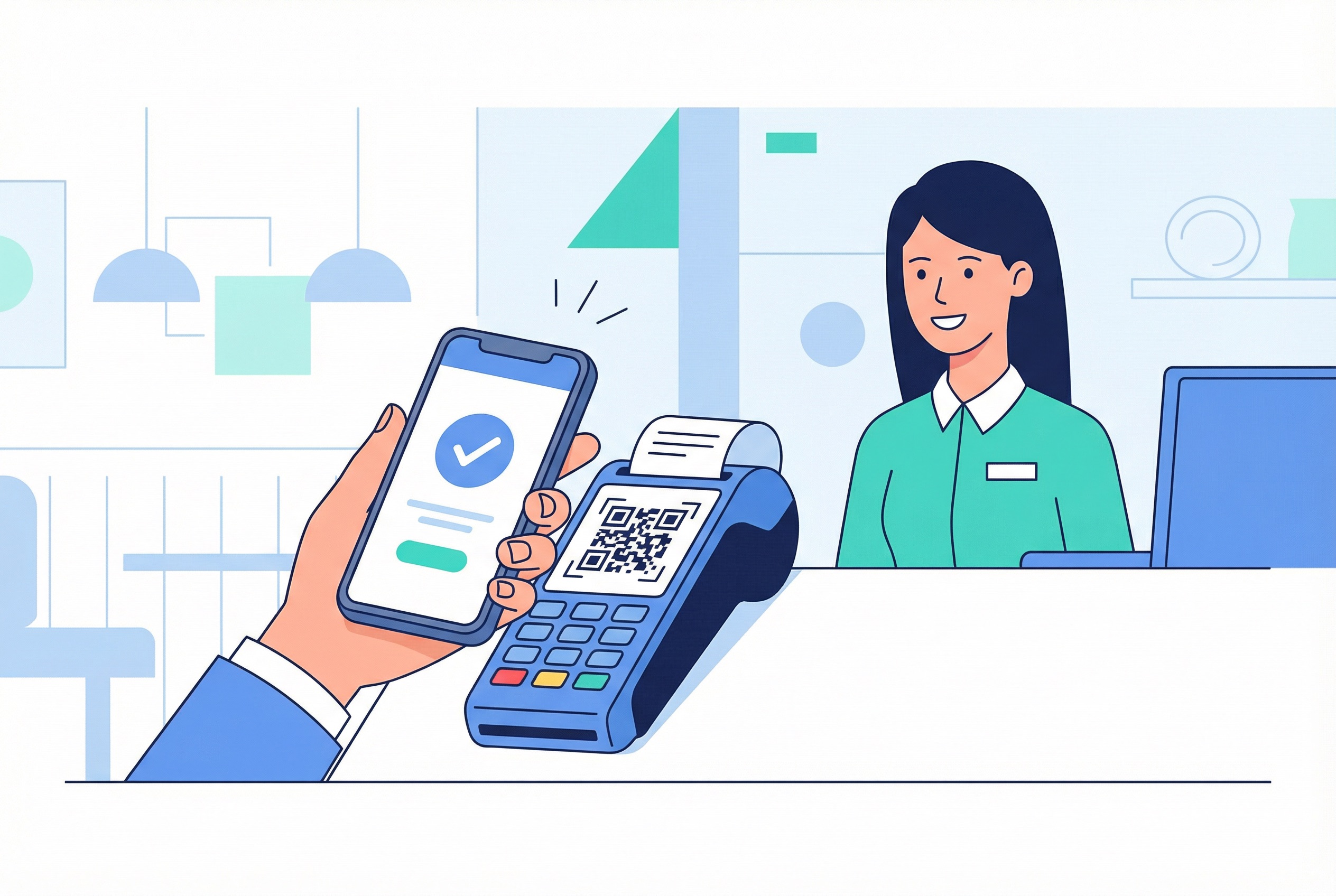
Nearly 70% of American restaurants now provide QR code payment options, and the reasons are clear: faster table turnover, fewer queues, and a smoother end-of-meal experience. Guests scan a URL QR Code at their table to open a payment page, choose their preferred method, and settle the bill — all without waiting for a server to bring the terminal. Research shows that restaurants implementing QR-based payments report up to a 15% increase in table turnover, directly boosting daily revenue capacity.
Paper loyalty cards get lost, forgotten, or damaged. QR-code-based loyalty schemes live on the customer's phone and can be scanned at every visit. Use a URL QR Code linking to your loyalty portal or app, and reward customers automatically for repeat visits. Restaurants and cafes that use QR codes for loyalty report higher programme engagement than traditional punch-card systems — because scanning feels frictionless and the reward is immediately visible. Read our guide on how QR codes increase sales for proven loyalty tactics.
Placing a Feedback QR Code on receipts or near the exit gives guests an easy, private way to rate their experience before they leave. Unlike online review platforms, this feedback arrives directly to you — giving you the chance to address issues before they become negative reviews. Supercode's feedback QR codes let you customise categories (food quality, service, ambience, cleanliness) and automatically aggregate results in your analytics dashboard. Learn more about maximising response rates in our QR code customer feedback guide.
Restaurants with their own mobile apps can use QR codes at the table or on packaging to drive downloads. Guests scan, get directed to the App Store or Google Play, and download in seconds — no typing, no searching. This is especially powerful for quick-service and fast-casual formats where app-based ordering significantly increases order frequency. Discover how leading food brands do it in our guide to boosting app downloads with QR codes.
The QR code menu remains the most common restaurant application by far. Link a URL QR Code or PDF QR Code to your full menu — including photos, allergen information, wine pairings, and nutritional data. Because the linked content can be updated instantly, you can run a breakfast, lunch, and dinner menu from a single QR code. Place codes on in-restaurant displays, takeaway cups, and window signage so guests can browse before they sit down.
Embed QR codes directly into table displays or print them on receipts to enable scan-to-pay. Guests scan, the bill appears on their phone, they pay with Apple Pay, Google Pay, or a card — and the table is free to turn faster. This approach is already standard in quick-service restaurants and is rapidly expanding into casual and fine dining. Consider pairing with WhatsApp QR Codes to let international diners message you easily for reservations or bill queries — a particularly useful feature highlighted in our WhatsApp QR code guide.
Replace plastic gift cards with digital equivalents delivered via QR code. Guests share a QR code link with the recipient, who redeems it on their next visit. Similarly, print QR codes on takeaway packaging to offer returning-customer discounts, encouraging repeat orders. Use Bulk QR Codes to generate unique single-use codes for coupons or time-limited promotions — ideal for seasonal campaigns. Our QR code marketing ideas guide has 15 campaign strategies to inspire your next promotion.
Running a wine tasting, live music evening, or food-themed event? Place a URL QR Code on table cards, posters, and window displays linking to your booking page or events calendar. This converts foot traffic into ticket sales with minimal friction. You can track which placements drive the most bookings through Supercode's scan analytics — perfect for measuring the ROI of physical marketing assets.
People walking past your restaurant make snap decisions. A QR code on your patio sign or window display — linking to your menu, a special offer, or a photo gallery of your dishes — can convert a casual glance into a reservation. Use Image QR Codes to show tempting food photography directly when scanned, creating an immediate appetite appeal before the guest has even walked through the door. See more placement ideas in our guide to QR codes for shop windows.
Add depth to the dining experience by linking QR codes on your menu — or on specific table cards — to curated pairing recommendations, chef's notes, or supplier stories. Fine dining venues use URL QR Codes and PDF QR Codes to share detailed tasting notes and vineyard information that would never fit on a printed menu. This approach enhances perceived value and encourages higher-margin beverage orders.
The numbers make a compelling case for restaurant QR code adoption. Here is the key data every restaurant operator should know in 2026:
These figures align with broader QR code adoption statistics showing the hospitality and food service industry as one of the highest-volume QR use cases globally.
Creating restaurant QR codes with Supercode takes minutes. Follow these steps to launch your first campaign:
Select the QR code type that matches your goal. For restaurants, the most-used types are:
Paste your menu URL, upload your PDF, or enter the content for your chosen code type. Supercode's editor guides you through each field.
Customise the QR code to match your brand. Adjust colours, add your logo, choose a frame style, and add a call-to-action label like "Scan to see the menu" or "Pay here." A well-designed QR code consistently outperforms a plain black-and-white one — custom QR codes see scan rates 30–45% higher than generic codes. Read our QR code design guide for detailed tips.
Use Supercode's folder system to organise your codes by location, campaign, or function (e.g., "Main dining room menus," "Patio promotions," "Feedback codes"). You can share folders with your management team so everyone has access.
Scan the code with your phone camera before committing to a print run. Check that the destination loads correctly, the content is current, and the experience is smooth on both iOS and Android. See our QR code printing guide for resolution and size requirements.
Print codes on table stands, posters, receipts, takeaway packaging, and window signage. For table use, a minimum print size of 2.5 cm × 2.5 cm ensures reliable scanning. Ensure adequate contrast and a clear quiet zone around the code.
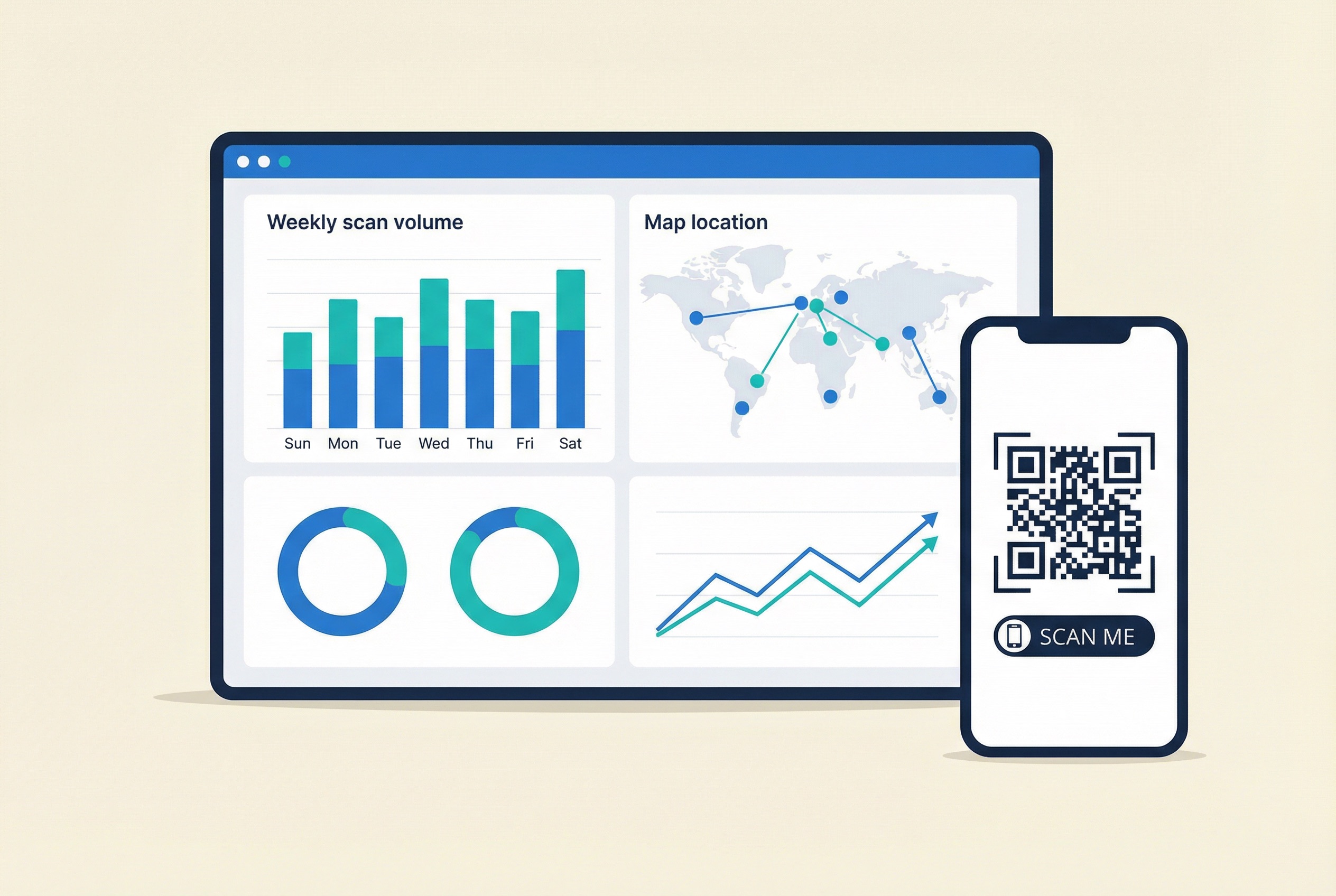
Log into your Supercode dashboard to monitor scan volume by code, time of day, device type, and location. Use this data to identify your best-performing placements, optimise underperforming ones, and time promotional updates for peak service periods. Learn how to interpret this data in our QR code tracking and analytics guide.
Static QR codes cannot be edited after printing. If your menu changes — and restaurant menus change constantly — you'll need to reprint every code. Dynamic QR codes are editable at any time, making them the only sensible choice for menus, promotions, and event pages. The small price difference between static and dynamic codes pays for itself the first time you update your menu without reprinting.
A QR code that's too small or placed in poor lighting will fail. The 10:1 rule applies: the minimum size should be one-tenth of the scanning distance. For table use, 4–6 cm is reliable at arm's length. For window signage, aim for 10–15 cm. Avoid placing codes under direct overhead lights that create glare, and always test in the actual environment before launching. See full sizing guidance in our complete printing guide.
Never deploy a QR code without a written instruction alongside it. "Scan for the menu," "Pay here," or "Leave us a review" dramatically increases scan rates because guests immediately understand what they'll get. Use Supercode's frame editor to add a CTA label directly to the code design — this way it's part of the printed asset, not an afterthought. Our QR code marketing guide has tested CTA language that converts.
Even the most tech-savvy restaurants keep a printed option for guests who struggle with QR codes. Surveys consistently show a portion of diners prefer physical menus, and alienating any segment of your guests is counterproductive. The best approach is a hybrid model: QR as the primary, with printed menus available on request. This is the approach 85% of restaurants with QR menus currently follow.
Scan data from your Supercode analytics dashboard reveals which codes are performing and which are being ignored. If feedback codes on receipts get almost no scans but table-card codes get hundreds, you know where to focus. Use A/B testing to compare different designs, CTAs, and placements. The hospitality industry average of 12,000–15,000 monthly scans per establishment suggests enormous scope for restaurants that actively optimise their QR campaigns.
A URL QR Code linking to your website's digital menu is the most flexible choice for most restaurants, as it loads instantly in any browser without requiring an app download. If you prefer to share a static PDF, a PDF QR Code works well and gives guests a downloadable version. Always use a dynamic code so you can update the destination without reprinting — this is the single most important choice you can make for long-term cost savings.
Creating QR codes with Supercode's free trial costs nothing to start. Paid plans begin at $29 per month (Essential tier) and include dynamic codes, scan analytics, design customisation, and folder organisation. Compared to the ongoing cost of reprinting physical menus — which can easily exceed hundreds of dollars annually — dynamic QR codes pay for themselves very quickly. Visit our pricing page for the latest plan details.
Yes. Every dynamic QR code created with Supercode includes built-in scan analytics. You can track total scans, unique scans, scan time and date, device type, and approximate scan location — all from your Supercode dashboard. This data helps you understand peak scanning periods, compare placement performance, and measure the impact of menu updates or promotions. See our QR code tracking guide for a full breakdown of available metrics.
QR code menus offer distinct advantages over paper menus: they eliminate reprinting costs, can be updated instantly, support multimedia content (photos, videos, allergen info), and generate scan data. However, research shows that 81% of US diners still prefer physical menus, so a hybrid approach is recommended — QR as the primary format with printed menus available on request. The right balance depends on your restaurant type, guest demographic, and service style. See our QR codes for menus page for more guidance.
Use a Feedback QR Code placed on receipts, table cards, or exit displays. Supercode's feedback codes let you customise rating categories (food quality, service, ambience) and automatically collect responses in your dashboard. For public reviews, link a URL QR Code directly to your Google Business profile or TripAdvisor listing — placing this on receipts can meaningfully increase your review volume. Our customer feedback guide shows how to achieve response rates of 40–60%.
Absolutely. QR-based loyalty schemes outperform physical punch cards in engagement and retention. Link a URL QR Code to your loyalty portal, app, or sign-up form. Use Bulk QR Codes to generate unique single-use codes for specific rewards. Track redemption rates through scan analytics, and use SMS QR Codes to enable quick opt-ins via text message. The complete guide to using QR codes to increase sales covers loyalty programme architecture in detail.
QR codes have moved from pandemic-era novelty to essential restaurant infrastructure. With 75% of restaurants worldwide already using them for menus, payments, and marketing — and data showing measurable gains in table turnover, average spend, and customer feedback — the question is no longer whether to use QR codes, but how to use them strategically. Whether you manage a single café or a multi-location group, Supercode gives you the tools to create, design, deploy, and track QR codes that improve every stage of the dining experience. Explore more industry applications at our industry use cases hub and solutions page, or take a look at how the hospitality sector and retail industry use QR codes alongside restaurants.
Head to our FAQs section or reach out to us directly on info@supercode.com
Sign up for free

