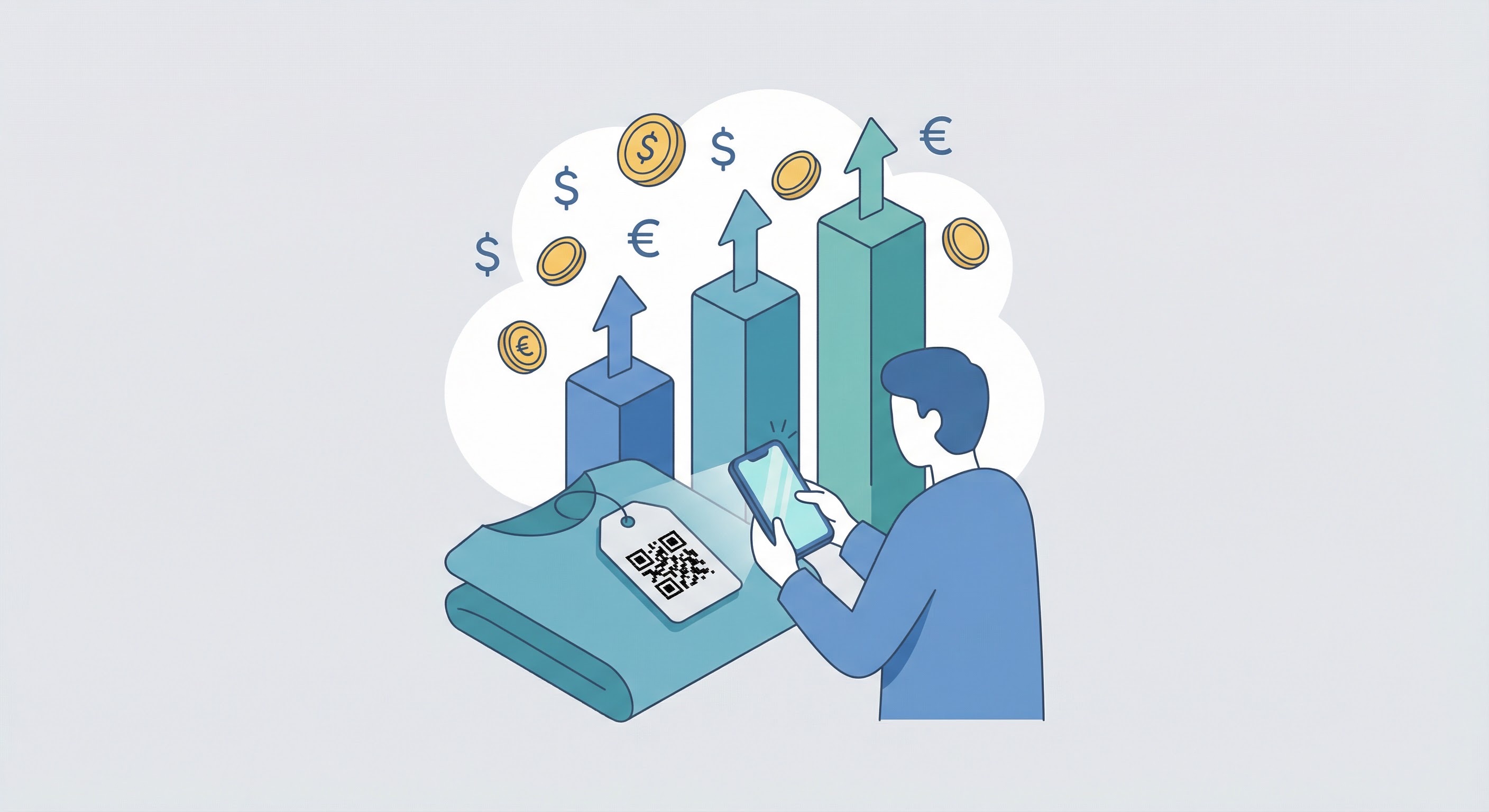
QR codes have transformed from pandemic-era novelties into one of the most powerful sales tools available to modern businesses. 62% of businesses expect QR-driven revenue growth in 2025, according to Uniqode's State of QR Codes Report -- and it's easy to see why. With over 2.2 billion people worldwide actively scanning QR codes and 79% of consumers saying they are more likely to purchase a product after scanning a QR code that provides additional information, the commercial case has never been stronger. Whether you sell in-store, online, or across multiple channels, QR codes create a direct, measurable bridge between your marketing and your revenue. This guide covers 10 proven strategies to use QR codes to increase sales in 2026, with real-world examples and the data behind each approach.
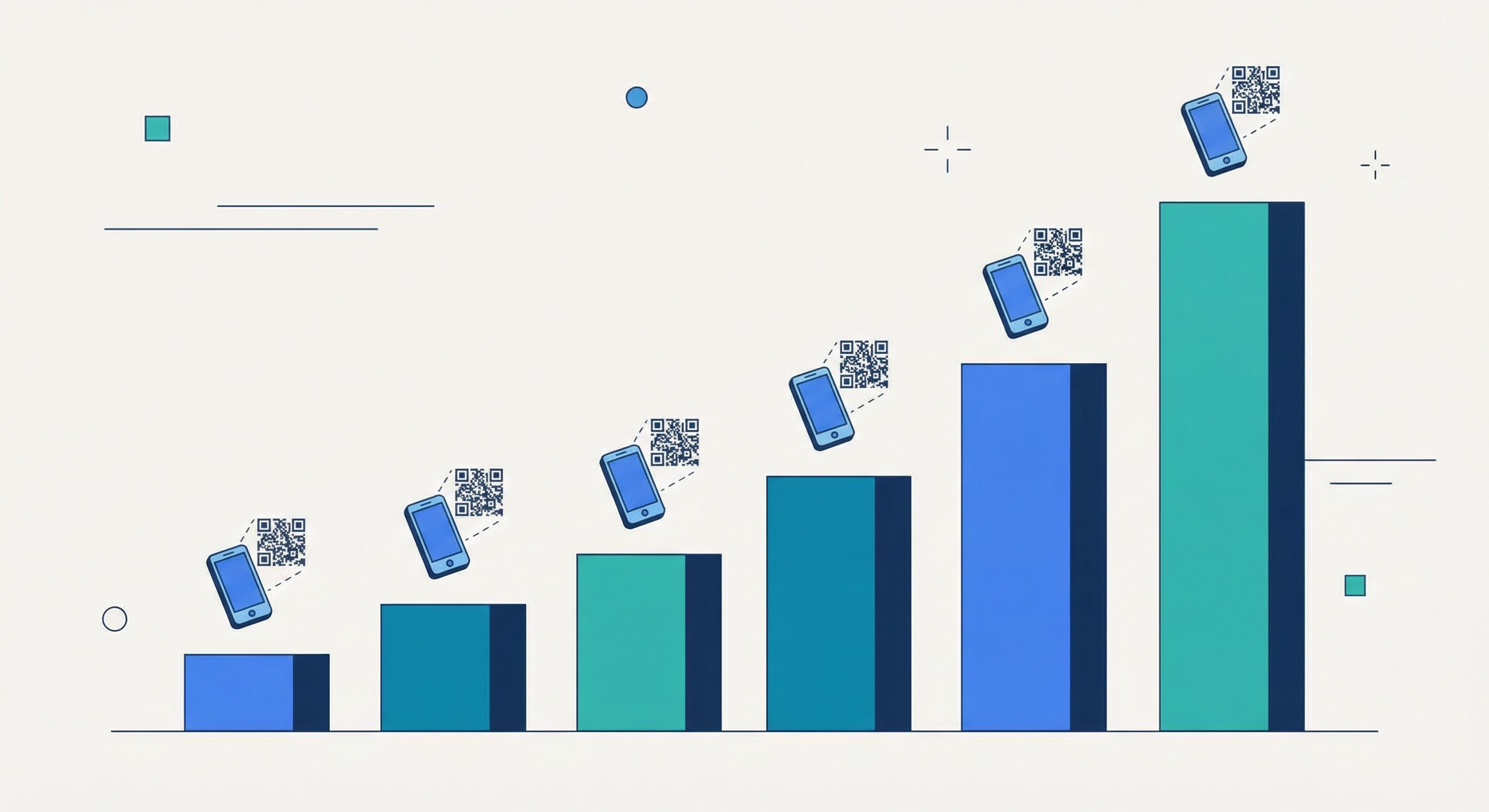
The numbers behind QR code adoption tell a clear commercial story. The global QR code market reached $13.04 billion in 2025, growing at 17% annually -- driven almost entirely by commercial applications in retail, marketing, and payments. More than 90% of marketers now use QR codes in their campaigns, with 94% reporting they have increased usage over the past 12 months.
What separates QR codes from other marketing tools is the quality of the traffic they generate. When a customer takes their phone out, opens the camera, and deliberately scans a code, that is a high-intent action. QR-initiated customer journeys achieve a 37% average click-through rate -- compared to just 2-5% for traditional display advertising. The consumer is leaning in. That intent translates directly into sales outcomes: 88% of marketers report improved consumer sentiment toward QR codes, and the technology now powers everything from point-of-sale promotions to subscription reorders. For businesses using Supercode's QR code generator, the analytics layer adds another dimension -- turning every scan into actionable data that refines and improves your sales strategy over time.
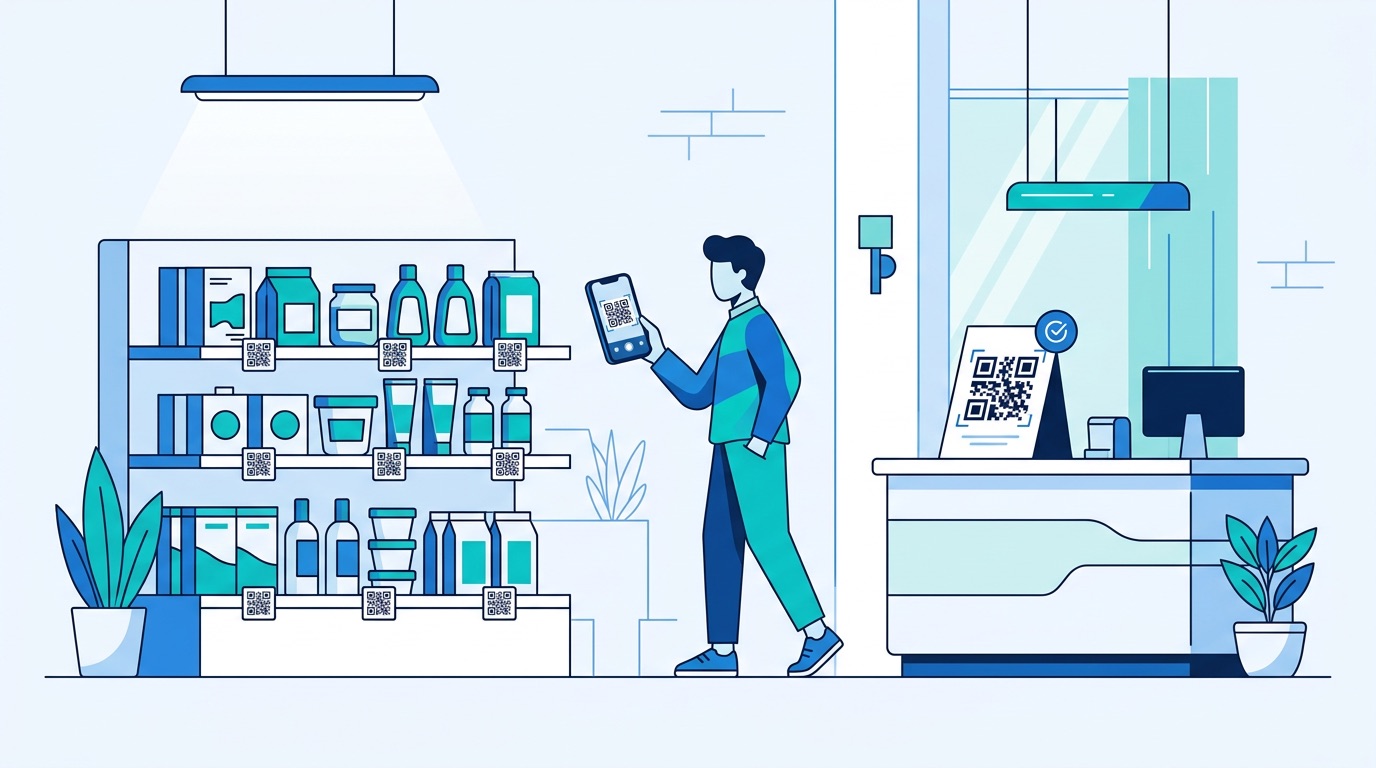
The most immediate way QR codes increase sales is by delivering the right content to shoppers exactly when and where they are considering a purchase. A customer standing in front of a product on a shelf, or pausing at a window display, is already in a buying mindset. A QR code at that moment can surface product videos, detailed specifications, comparison guides, customer reviews, and a direct purchase link -- everything needed to move from browsing to buying.
Retailers placing QR codes on shelf tags, product hangtags, and in-store displays have seen significant uplift in both conversion and basket size. IKEA's QR-enabled app, for example, lets customers scan a code to get full product details, check stock availability in real time, and add items directly to their shopping list -- eliminating the friction that causes walk-aways. Fashion brands embed QR codes on clothing tags to suggest complementary pieces and complete looks, increasing the average order value on every purchase.
For retail businesses, placing URL QR codes on high-traffic product touchpoints is one of the fastest implementations available -- and one of the highest-returning. You can create, customise, and deploy within minutes using Supercode, then update the destination URL any time without reprinting a single label.
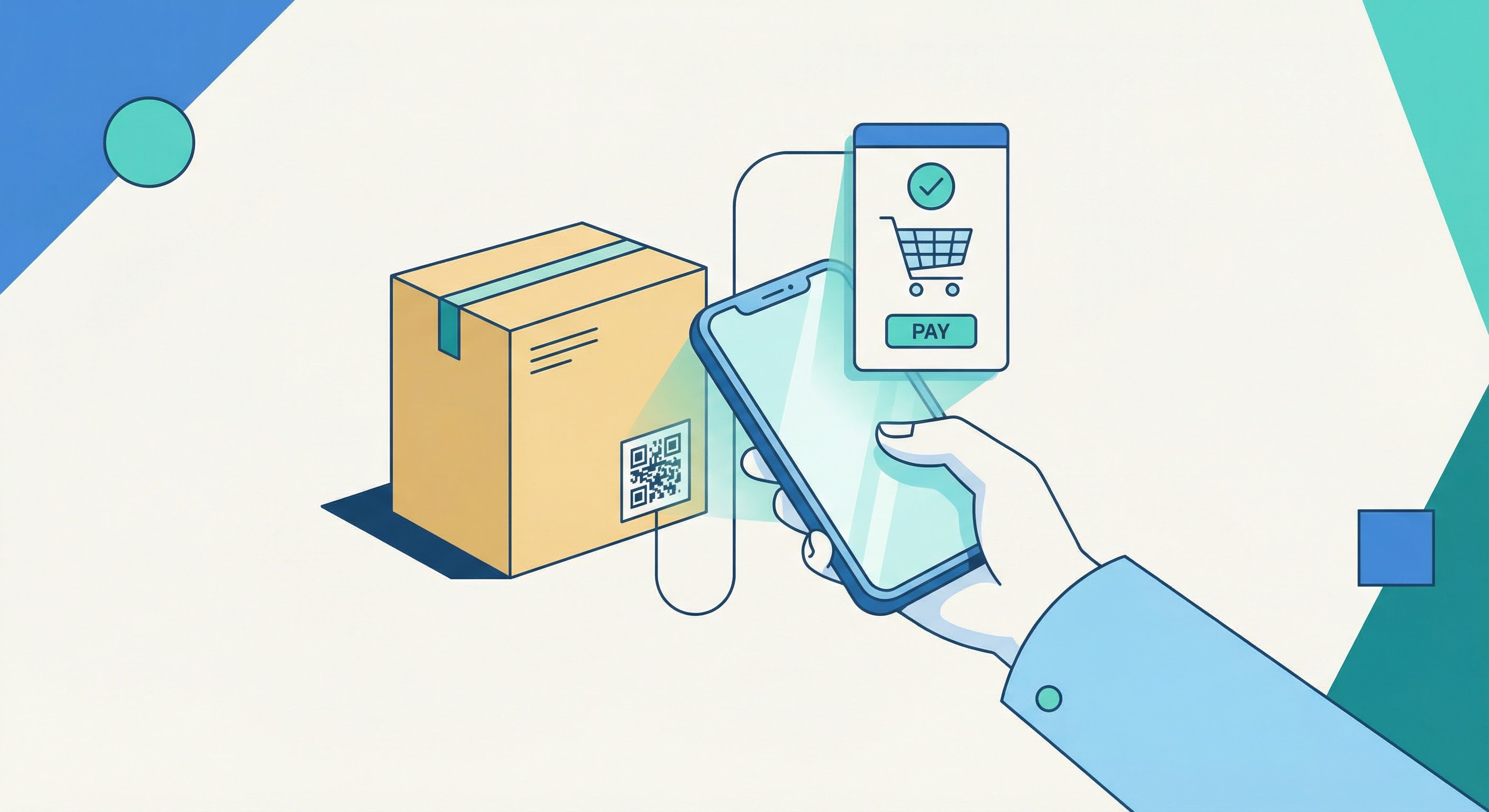
Friction kills sales. Every step between a customer's interest and their purchase is an opportunity for them to abandon. QR codes are uniquely positioned to collapse that journey -- taking someone from a physical touchpoint to a mobile checkout page in a single scan. With 44.6% of global internet users scanning at least one QR code per month, mobile commerce enabled by QR codes has entered the mainstream.
The most effective implementations link directly to a mobile-optimised product or checkout page, pre-populated with the scanned item. This is particularly powerful for:
Global QR code payment transactions reached $5.4 trillion in 2025 and are projected to exceed $8 trillion by 2029 -- a 48% increase. This is no longer an emerging trend; scan-to-pay is a core consumer behaviour, and businesses that remove themselves from that journey lose sales to competitors who embrace it. Connect QR codes to your payment processor, your e-commerce platform, or your booking system and you create a frictionless path from physical discovery to completed transaction.

Incentives have always driven purchases -- but traditional coupon programmes are slow to produce, expensive to distribute, and nearly impossible to measure. QR code coupons solve all three problems at once. You generate a code, link it to a landing page with the offer, and distribute it across print, packaging, social media, or email in minutes. Every scan is tracked, every redemption is recorded, and you can update the offer without reprinting anything.
The data supports this approach: 33% of marketers identify discounts and promotional offers as the most effective incentive for driving QR code scans. McDonald's used QR codes printed on packaging to offer a free McCafe Shake for every app download -- driving both short-term purchases and long-term app engagement. Vodafone used QR codes in magazines to offer instant phone top-ups, increasing repeat transaction volume significantly.
Loyalty programmes represent an especially powerful application. QR codes make loyalty sign-ups frictionless: a scan at checkout enrolls the customer instantly, no app download required. Repeat scan-ins at each visit track points automatically, and personalised reward offers can be pushed through dynamic QR codes that update in real time. Consider these loyalty-driven sales tactics:
Pair your loyalty programme with feedback QR codes to capture sentiment data at the moment of redemption -- insight that sharpens your offers and reduces churn. Explore 15 creative QR code campaign strategies for more inspiration on structuring promotions that convert.
Acquiring a new customer costs five to seven times more than retaining an existing one. Post-sale QR codes are one of the most cost-efficient tools available for driving that second, third, and fourth purchase. Every piece of packaging, receipt, thank-you card, or delivery insert is an opportunity to bring customers back.
QR codes on product packaging can link to:
The Gap's reorder campaign is a textbook example: they mailed QR codes to existing customers, linking to a personalised video introduction of a new collection and a style recommendation quiz based on the customer's purchase history. This drove repeat visits and purchases while making customers feel individually valued. A 5% improvement in customer retention can generate 25-95% profit growth -- making post-sale QR codes one of the highest-leverage investments in your sales toolkit.
Dynamic QR codes are essential here: you want the ability to update the destination based on seasonal promotions, stock changes, or new product launches without touching the packaging. With Supercode's dynamic codes, the QR printed today can serve a different offer tomorrow.
Traditional advertising has always struggled with one problem: the gap between seeing an ad and acting on it. A viewer who notices a billboard or magazine spread must remember the brand name, later search for it, and then navigate to a purchase. QR codes eliminate that gap entirely. The viewer scans, and they are instantly on a product page, offer landing page, or checkout.
Billboards and out-of-home advertising with QR codes have proven particularly effective for high-traffic retail and hospitality brands. Research shows 82% of consumers consult their phone before making a purchase -- QR codes in advertising intercept that moment and direct it to your conversion funnel rather than a competitor's. Magazine and newspaper QR codes allow print publishers to offer shoppable editorial content, and advertisers to track response rates with precision that print has never had before.
For advertising campaigns specifically, key best practices include:
Explore the complete QR code marketing strategy guide to build a full-funnel approach that connects your advertising spend directly to measurable revenue outcomes.
Not every sale happens at the first touchpoint. For higher-value products and B2B offerings, the sales cycle involves multiple contacts -- which means building a pipeline of qualified leads. QR codes are an exceptionally efficient lead capture mechanism, particularly at events, trade shows, and in physical retail environments where traditional form-filling is impractical.
High-performing lead capture applications include:
95% of businesses using QR codes report successful collection of valuable first-party data -- precisely the data that powers personalised follow-up sequences and drives pipeline conversion. Combine this with QR code lead generation strategies and you have a system that continuously fills your sales funnel from physical touchpoints.
Every extra step in the customer journey represents lost revenue. Research consistently shows that conversion rates drop with each additional page, form field, or navigation click a customer encounters. QR codes compress the journey: from a physical touchpoint to a purchase decision in seconds.
The power of this compression is most visible in impulse purchase categories -- fashion, food and beverage, beauty, and consumer electronics. A customer admiring a jacket in a shop window scans the QR code on the display and immediately sees the item, available sizes, and a "Buy Now" button. The entire purchase can be completed before they reach the shop door. This is precisely why leading brands invest heavily in QR codes for shop window displays as a core retail strategy.
For B2C e-commerce specifically, the path shortening works across channels:
When evaluating your conversion funnel, map out every QR-enabled shortcut you can create. Each one is a potential revenue gain with a negligible implementation cost.

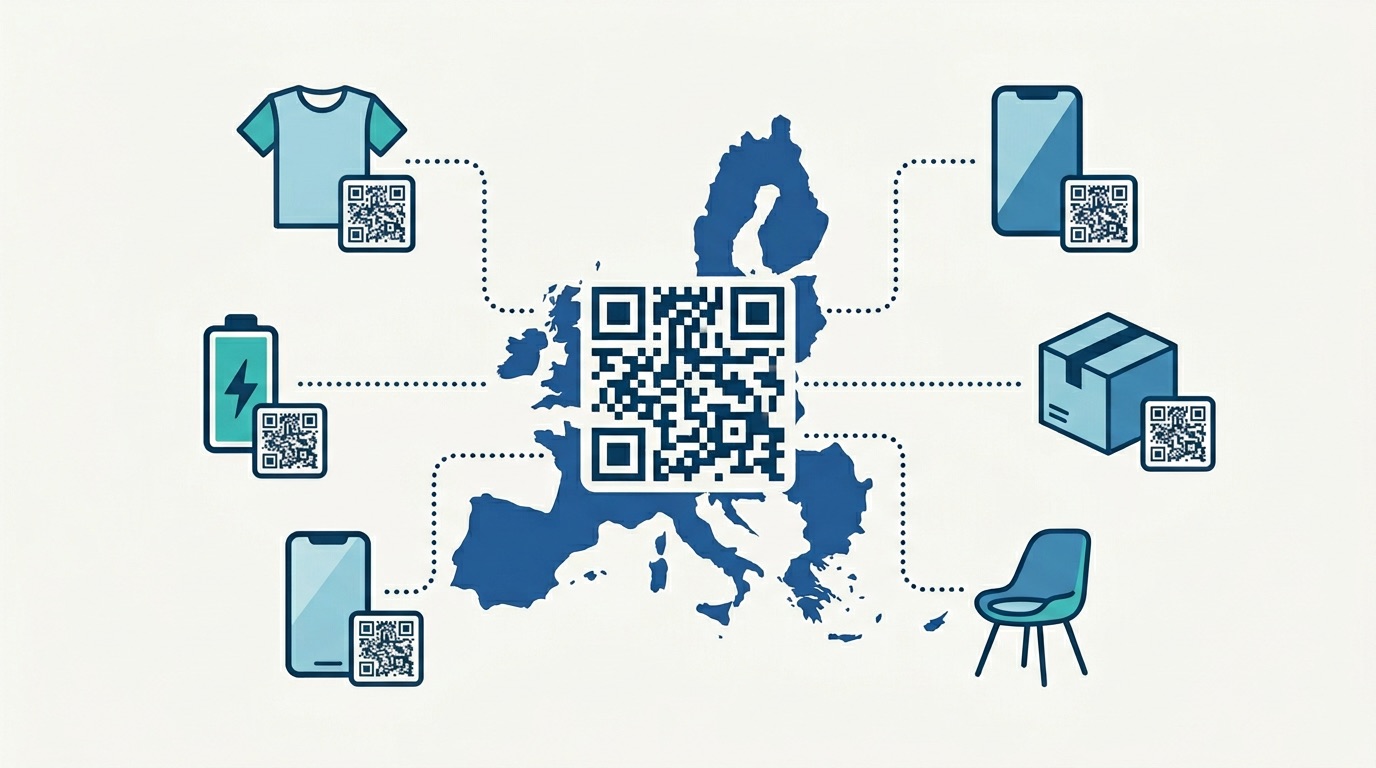
Static QR codes are single-use tools -- once printed, they point to one URL forever. Dynamic QR codes are fundamentally different: they separate the printed code from the destination, allowing you to change what the scan leads to at any time, for any audience, without reprinting anything.
This flexibility unlocks personalisation at scale. A single printed QR code on product packaging can deliver:
Businesses using dynamic QR codes see 60% higher engagement rates compared to static codes, and are 3.5x more likely to track and optimise their campaign performance over time. That compounding optimisation effect -- data informs the next version of the offer, which performs better, generating more data -- is what makes dynamic QR codes a strategic asset rather than a one-off marketing tool. Supercode's dynamic codes include built-in analytics so you can see exactly who is scanning, when, and from where, enabling continuous improvement of your sales approach. See all the features of Supercode's QR code generator to understand what's possible.
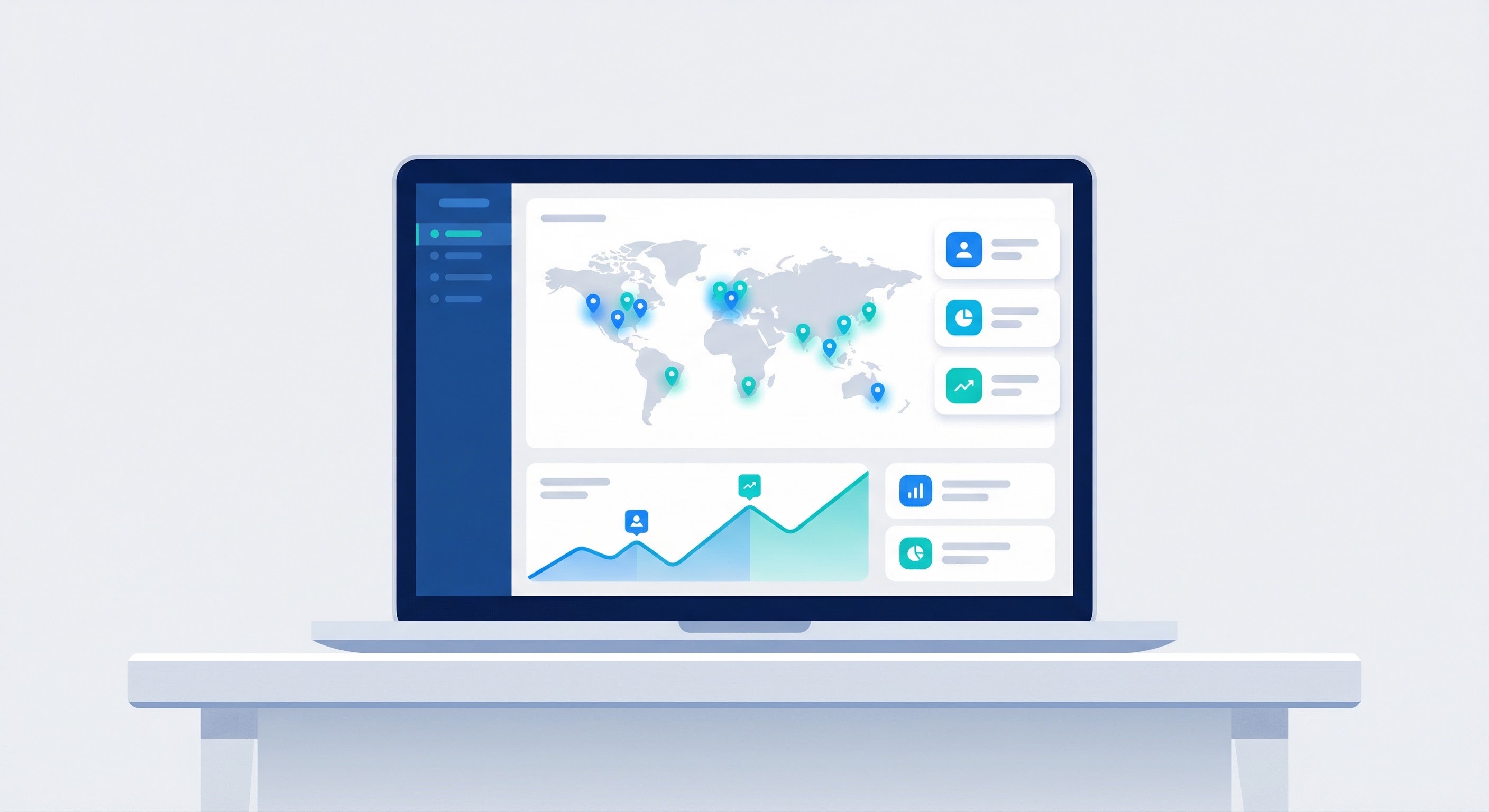
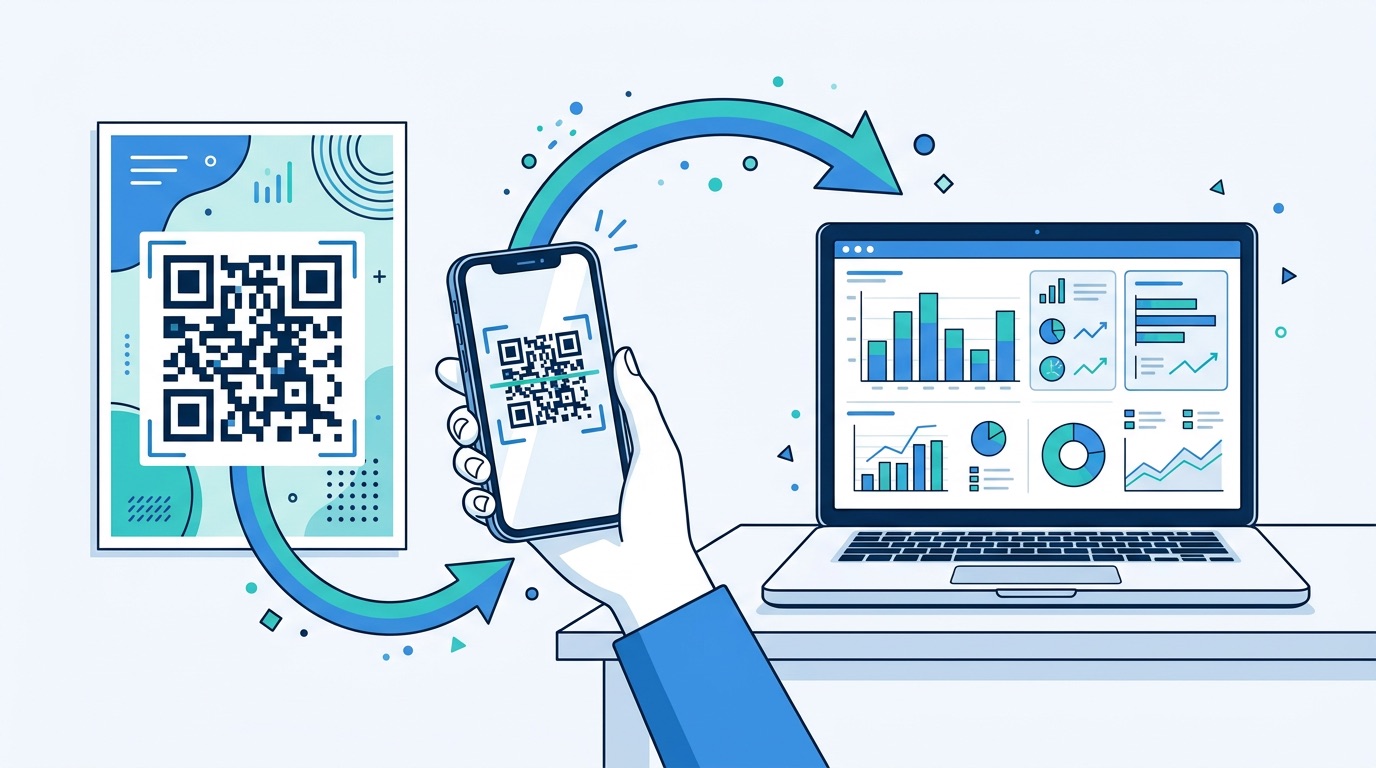
One of the most significant advantages QR codes have over traditional physical marketing is measurability. Every scan is a data point: time, location, device type, and referral source can all be captured, giving you a level of attribution previously impossible for printed materials, in-store signage, or product packaging.
Supercode's analytics dashboard lets you track:
This data is invaluable for making sales decisions. If your in-store QR coupon generates 400 scans but your billboard QR generates only 40, the data tells you where to concentrate your budget. If scans peak on Saturday mornings, you know when to refresh your offer. Businesses that actively measure and optimise their QR code campaigns consistently outperform those that set and forget -- 58% of companies that integrated QR analytics into their marketing reported measurable revenue growth.
For teams running multiple campaigns across locations, bulk QR code generation through Supercode lets you create uniquely trackable codes for each placement at scale, giving you granular performance data across your entire operation.
Reviews drive sales. A product with 50 positive reviews consistently outsells an identical product with none. Yet asking customers to leave a review is one of the most friction-heavy requests a business can make -- they need to find the review platform, log in, navigate to the product, and write something. Most customers who intend to leave a review never do because the process feels like too much effort.
A feedback QR code placed at the point of maximum satisfaction -- receipt, packaging, or post-installation card -- removes every one of those barriers. One scan opens the review form, pre-loaded with the product. Combined with a sincere message ("We'd love to hear what you think -- it takes 30 seconds and means the world to us"), QR review codes dramatically increase response rates.
The sales impact compounds over time:
Beyond written reviews, QR codes on packaging or receipts can link to social sharing prompts -- inviting satisfied customers to share their purchase on Instagram or TikTok with a branded hashtag. User-generated content functions as unpaid advertising, reaching new audiences with authentic endorsements that paid media cannot replicate. Learn more in our guide to how QR codes improve customer experience and the downstream sales effects of customer satisfaction.
Implementing any of the strategies above begins with a reliable QR code generator that supports dynamic codes, customisation, and real-time analytics. Supercode is built for exactly this -- from individual entrepreneurs running their first loyalty programme to enterprises managing thousands of unique codes across global campaigns.
Here is how to get started:
Supercode's pricing starts free — every feature on every plan — making it accessible to businesses of any size, with enterprise options for teams needing bulk creation, folder organisation, and advanced analytics. Every plan includes dynamic QR codes, so you are never locked into a static destination.
Yes. 62% of businesses reported expecting QR-driven revenue growth in 2025, and 79% of consumers say they are more likely to purchase a product after scanning a QR code that provides additional information. QR codes increase sales by reducing friction, delivering relevant content at the point of decision, and enabling direct purchase paths from physical materials.
Dynamic QR codes linked to product pages, discount landing pages, or one-tap checkout flows deliver the highest sales impact. Dynamic codes offer 60% higher engagement rates than static codes and can be updated without reprinting, making them ideal for promotional campaigns, loyalty programmes, and seasonal offers.
The highest-performing placements are at points of high customer intent: product shelves, packaging, receipts, point of sale, shop windows, and advertising materials. QR codes work wherever a customer is already considering a purchase -- delivering the right content at that exact moment accelerates the decision.
Use QR code analytics to track scan volume, location, timing, and device. Pair scan data with sales data from your e-commerce platform or POS system to calculate conversion rate and revenue per scan. Dynamic QR codes with built-in analytics, like those generated in Supercode, provide this data out of the box. For a deeper guide, see our post on QR code tracking and analytics.
Absolutely. QR codes require minimal investment to create and distribute, making them one of the most cost-effective sales tools for small businesses. A QR code on a packaging insert, business card, or window display can drive repeat purchases, loyalty sign-ups, and positive reviews -- all of which compound into long-term revenue growth without significant ongoing cost.
QR code loyalty programmes make it frictionless for customers to earn and redeem points without app downloads or physical loyalty cards. Customers scan at purchase, track their progress, and receive personalised offers that incentivise the next visit. A 5% improvement in customer retention driven by such programmes can increase profits by 25-95%, making QR-enabled loyalty one of the highest-ROI sales investments available.
QR codes sit at the intersection of physical and digital commerce -- and in 2026, that intersection is where purchasing decisions happen. Whether you are looking to drive first-time purchases, increase average order values, build loyalty, or generate a measurable pipeline of leads, QR codes offer a scalable, data-driven path to more revenue. Start with one or two of the strategies above, measure the results, and build from there.
Ready to put these strategies into practice? Sign up for Supercode free and create your first dynamic QR code in minutes -- no credit card required.